- 1Read the DOC track advice and check a suitable mountain forecast before departure.
- 2Start early enough to complete descent before dark; turnaround time is more important than summit time.
- 3Assess your group's fitness, alpine experience and confidence; turn around without hesitation if conditions shift.
- 4Carry warm layers, sufficient water and food, navigation information, and a headtorch for lower-light transitions.
01 / The decision
choose a mountain objective, not a compulsory summit
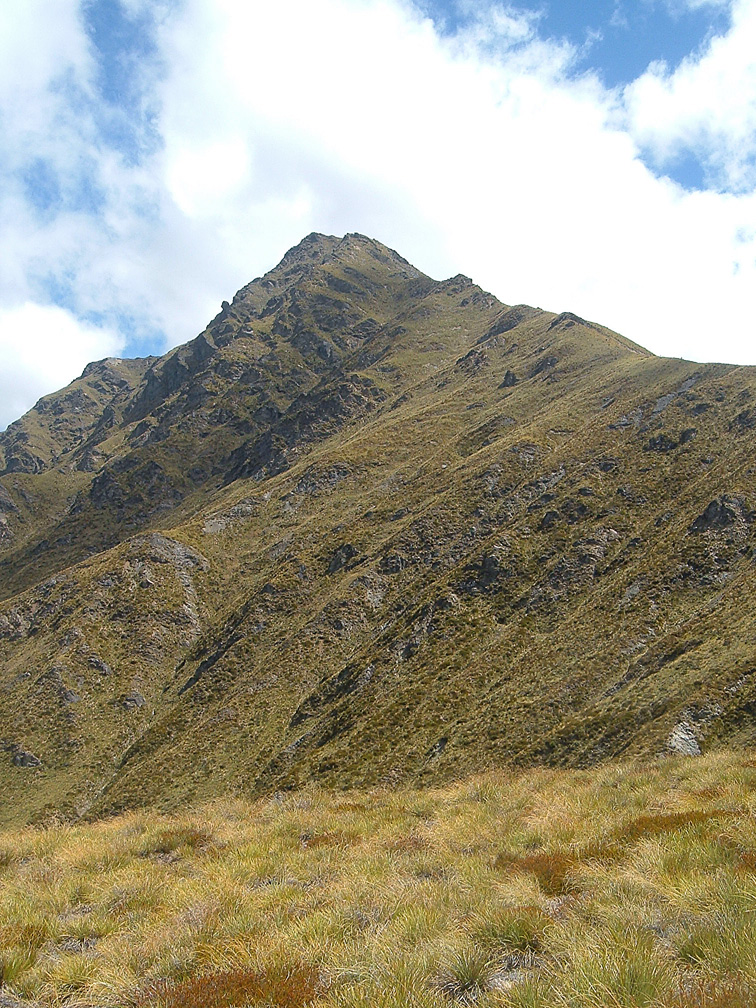
Ben Lomond requires a decision about the whole day, including the return. Read the Department of Conservation track information before choosing an objective. The route is demanding, and the section beyond the saddle becomes steeper and rougher. A plan that sounded appealing in town may not suit your group's preparation or the conditions you find. Agree that any person can raise a concern without having to justify it against a booking, photograph or saved itinerary. Choose a different day or destination if the preparation does not match the route.
02 / Your objective
Separate the saddle from the summit
| Choice | Decision to make | Reason to change |
|---|---|---|
| Do not start | Do preparation, official advice and the forecast support the trip? | The group lacks the equipment, skills or time for the conditions |
| Saddle objective | Would this be a suitable turnaround for the group today? | Pace, footing or conditions no longer support the original objective |
| Summit consideration | Reassess before the steeper, rougher section beyond the saddle | There is not enough confidence, energy or daylight for the complete return |
03 / Group comfort
Check whether your group is ready
Before committing to Ben Lomond, honestly assess your group:
- Alpine fitness
Compare the demanding climb with the group's recent experience, not an optimistic estimate made at breakfast.
- Uneven footing
Parts of the route are steep, rough or uneven. Compare that terrain with the group's experience and confidence before committing.
- Wind and exposure
Discuss comfort with exposed terrain before setting out, and listen if that comfort changes during the day.
- Pace and patience
A slower pace may require an earlier turnaround or a shorter objective. Keep the time and energy needed for the descent in the plan.
04 / The turnaround check
Four decisions before and during the climb
- 01Official track status
Check the Department of Conservation page before you depart. If conditions have changed, adjust your plan.
- 02Visible weather and forecast
Town weather is not mountain weather. Check a suitable mountain forecast and reassess the conditions you encounter.
- 03Group condition on the mountain
Pace, footing, confidence and energy tell the real story. Turn around if any shift for the worse, not because a saved plan says continue.
- 04Daylight remaining
Set a turnaround time that protects your descent. The saddle is a legitimate destination. The summit is optional.
05 / Carry
Pack for a changing mountain environment
Preparation supports the decision to go, but equipment alone does not make an unsuitable day safe.
- Warm layers
Carry warm and weather-protective layers, including when town conditions feel mild.
- Water and energy food
DOC advises there is no water beyond the Skyline complex. Carry what the whole outing requires, with allowance for delays.
- Navigation and lighting
Use official route information and follow walking signs. Carry a headtorch, but do not use it as a reason to plan a late descent.
- Communication and intentions
Tell a trusted person your route and expected return, and agree what they should do if you do not check in. Carry a suitable means of communication.
06 / Weather doesn't cooperate
Plan for the day when conditions shift
Make the alternative decision while you still have room to act on it. You do not need to reach a named point before deciding that the day is not right. Stop and reassess when conditions, the group's pace or confidence change. Check that everyone understands the return plan and avoid splitting up simply to preserve someone else's summit goal. Back in town, a quieter day is a valid outcome, not a failed holiday. This guide is a planning aid, not a route description or a live assessment of the mountain. Use current official advice and an appropriate forecast when making the actual decision.