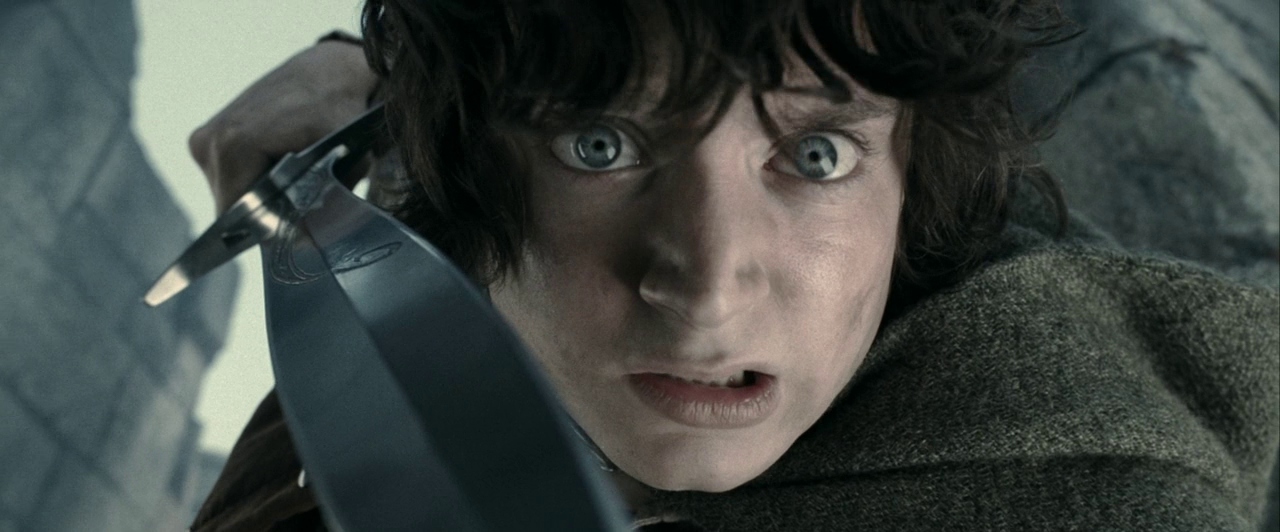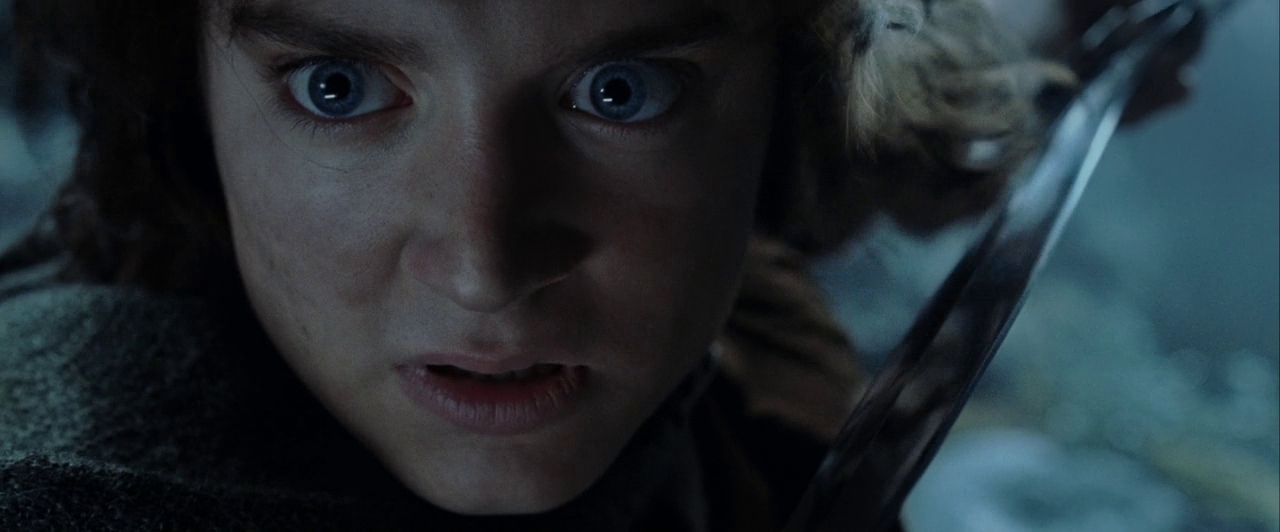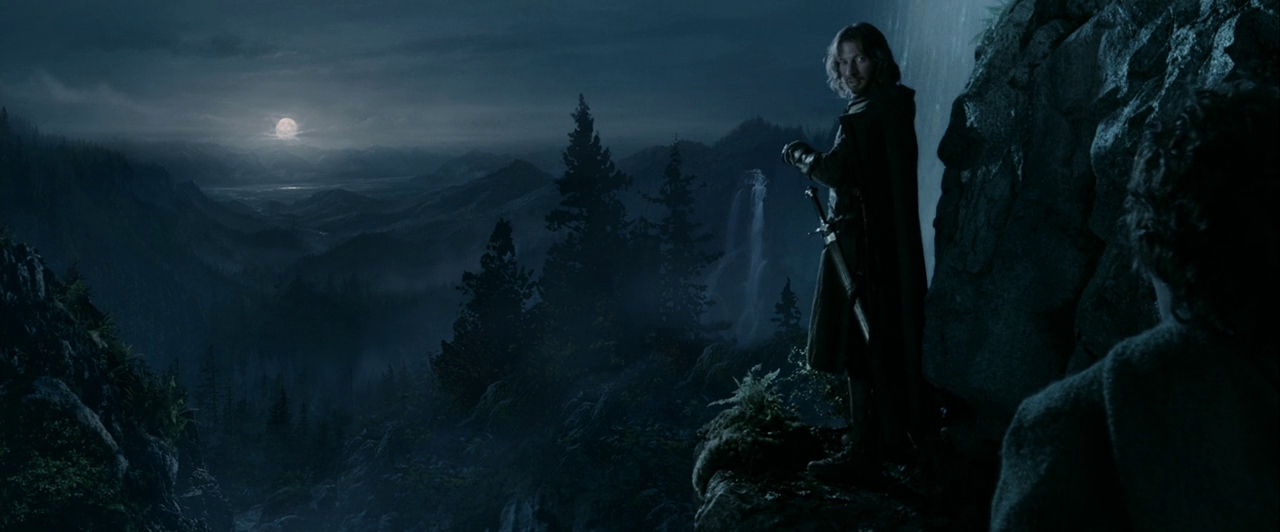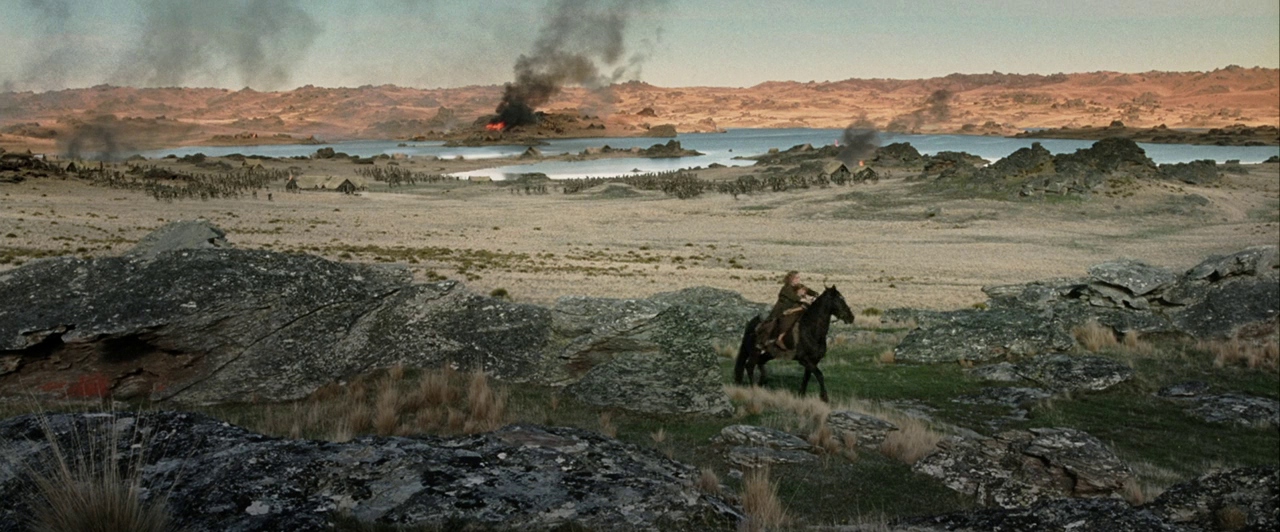
剧情介绍
What happens on screen, and what happened behind the camera.
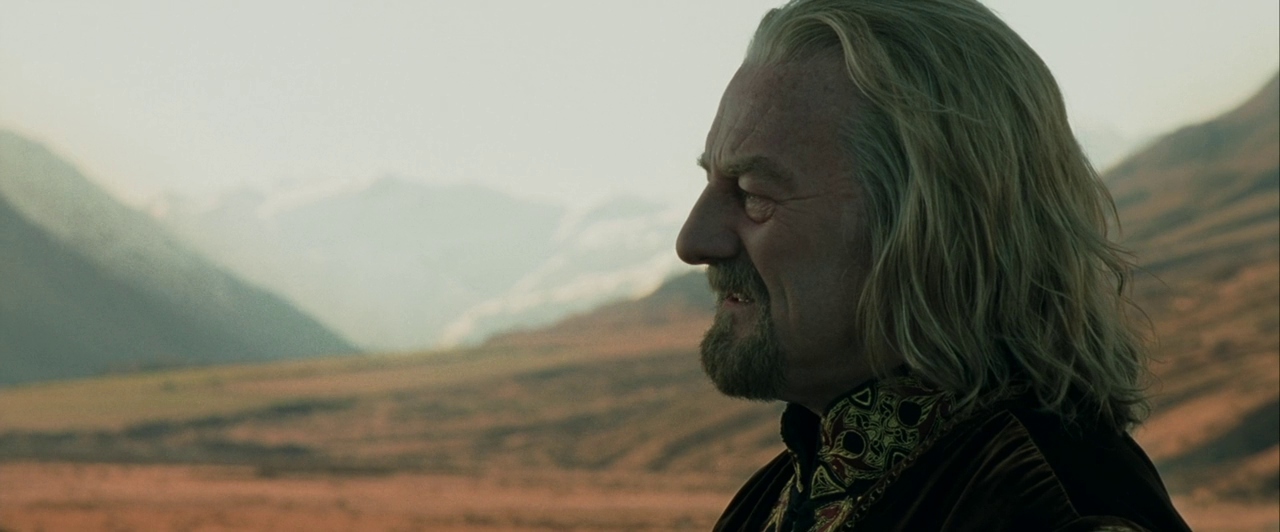
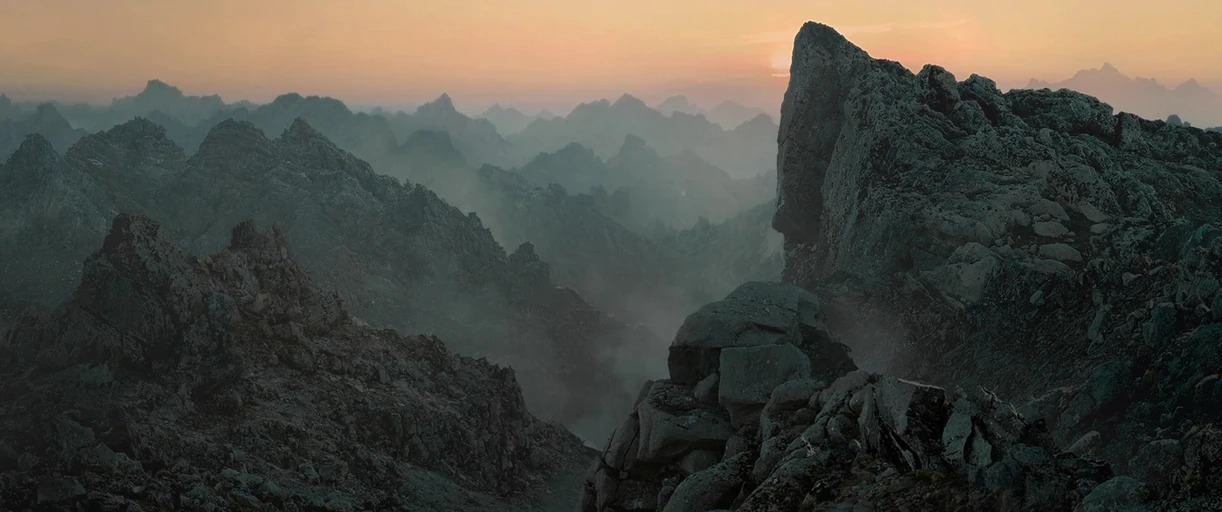
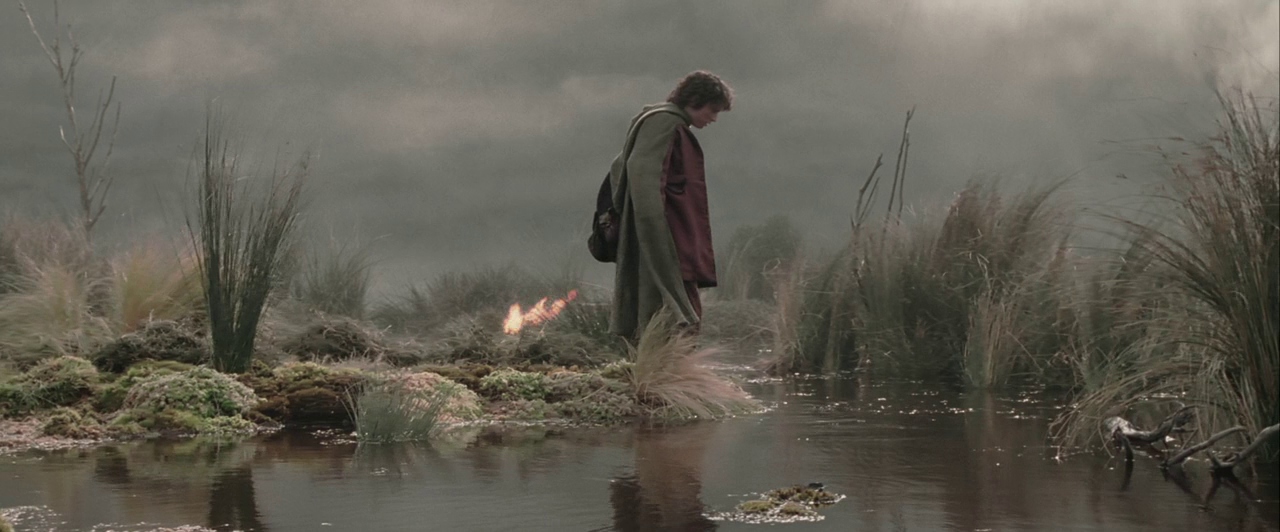
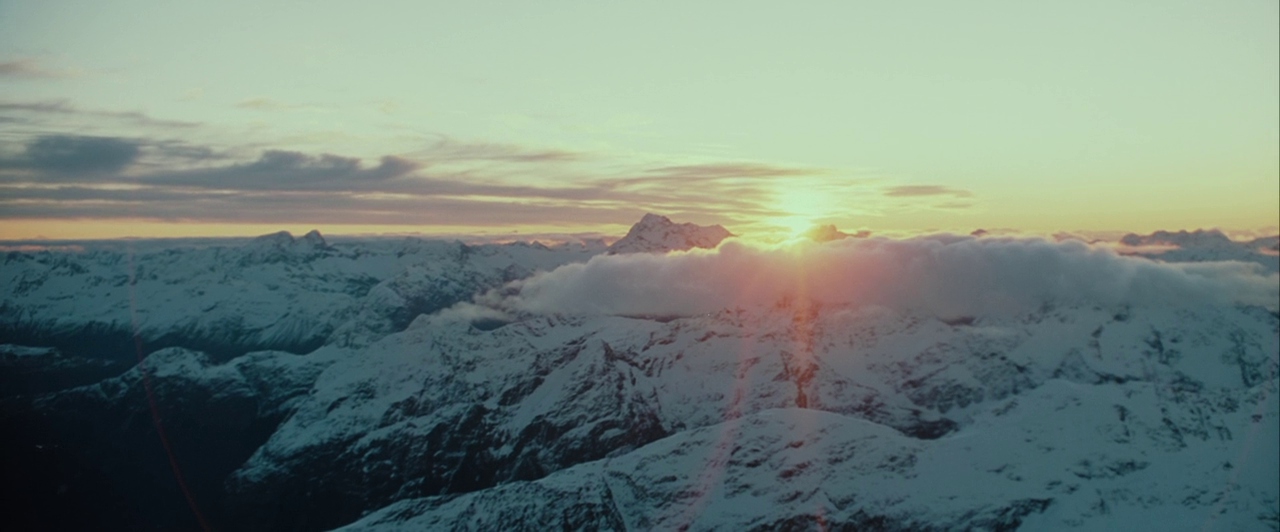
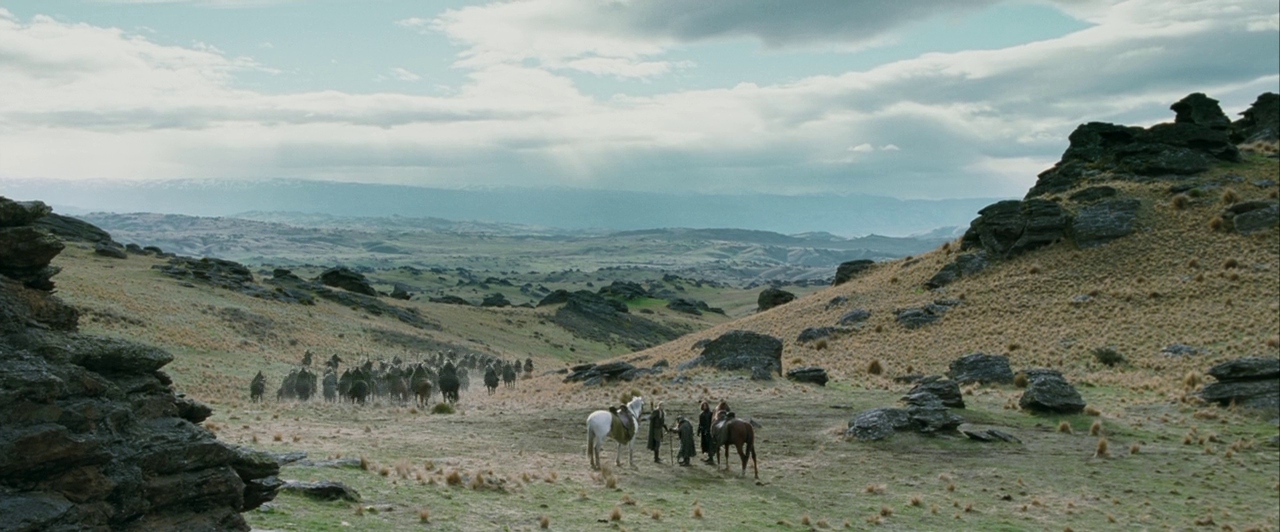
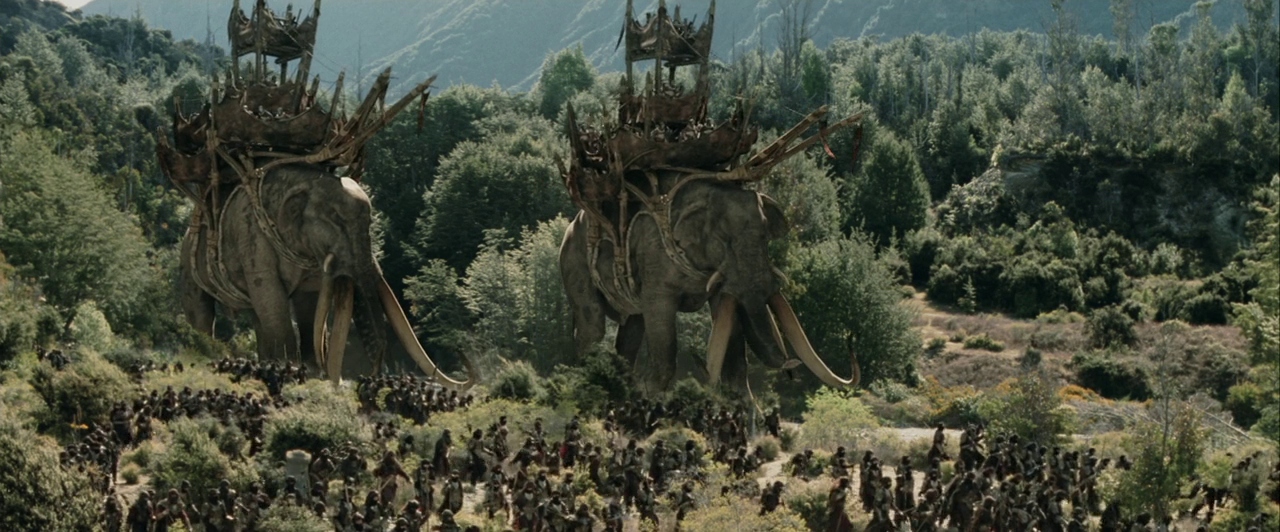
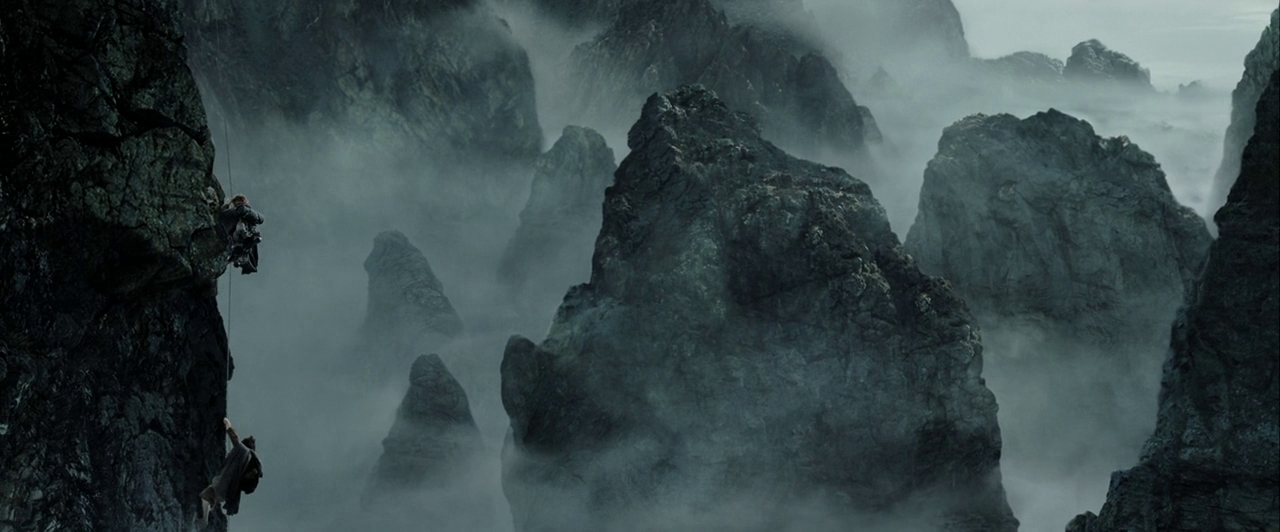
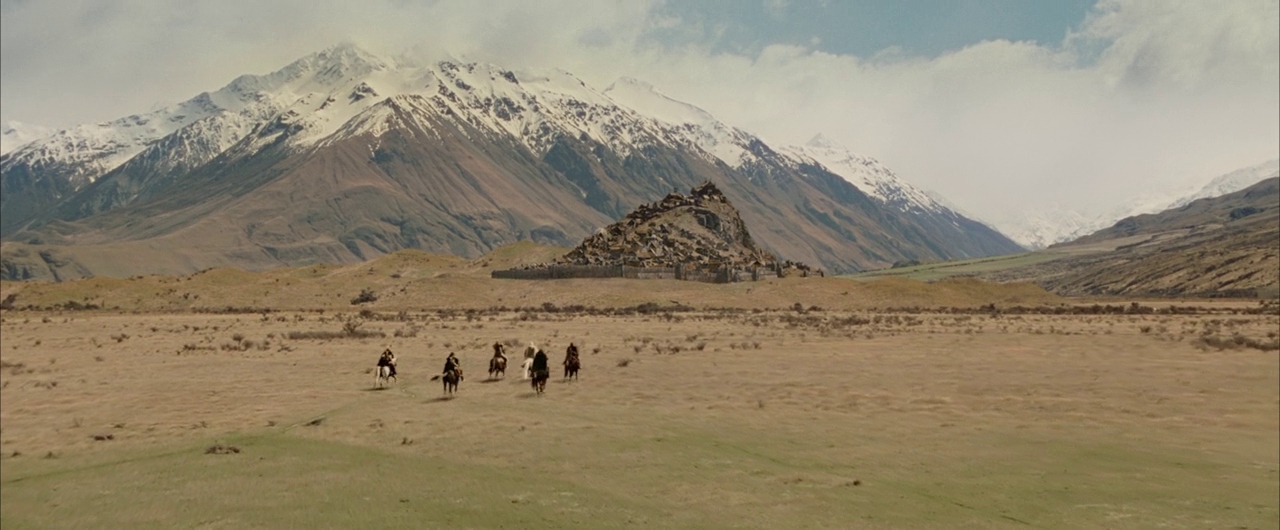
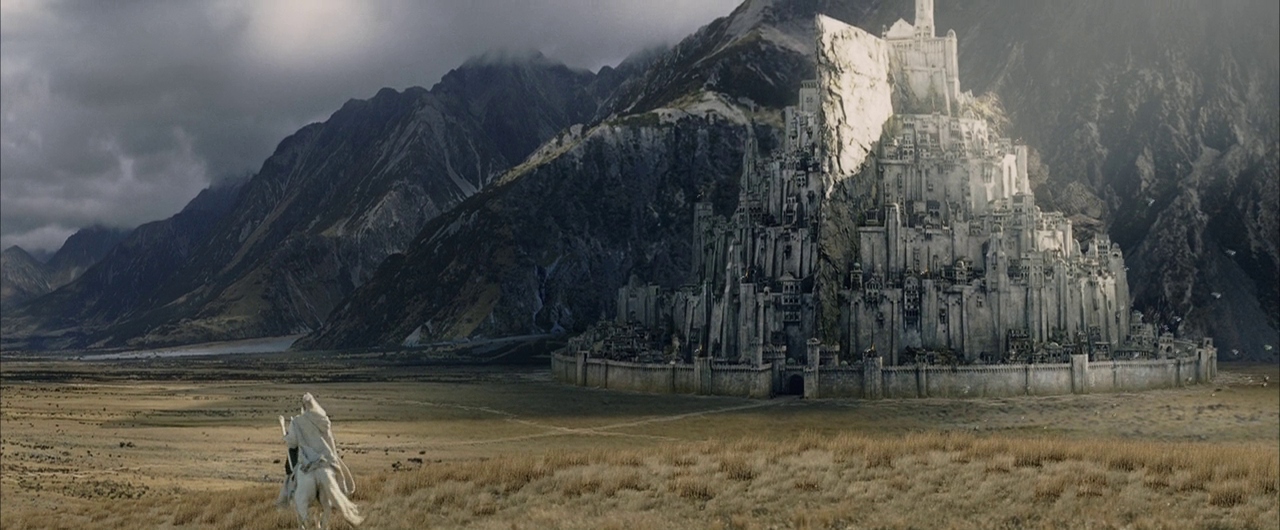
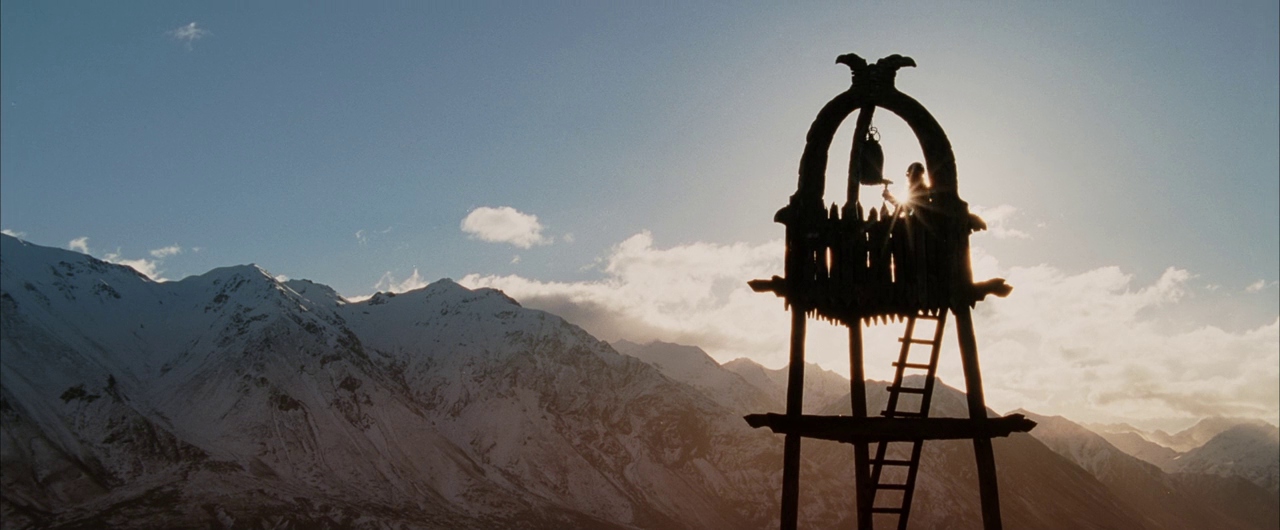
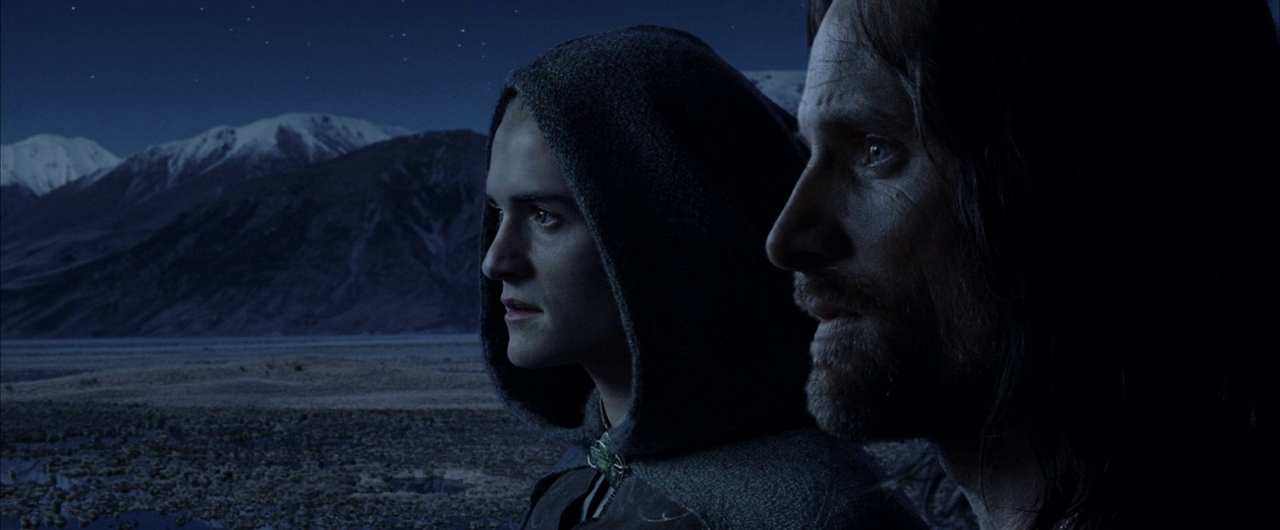
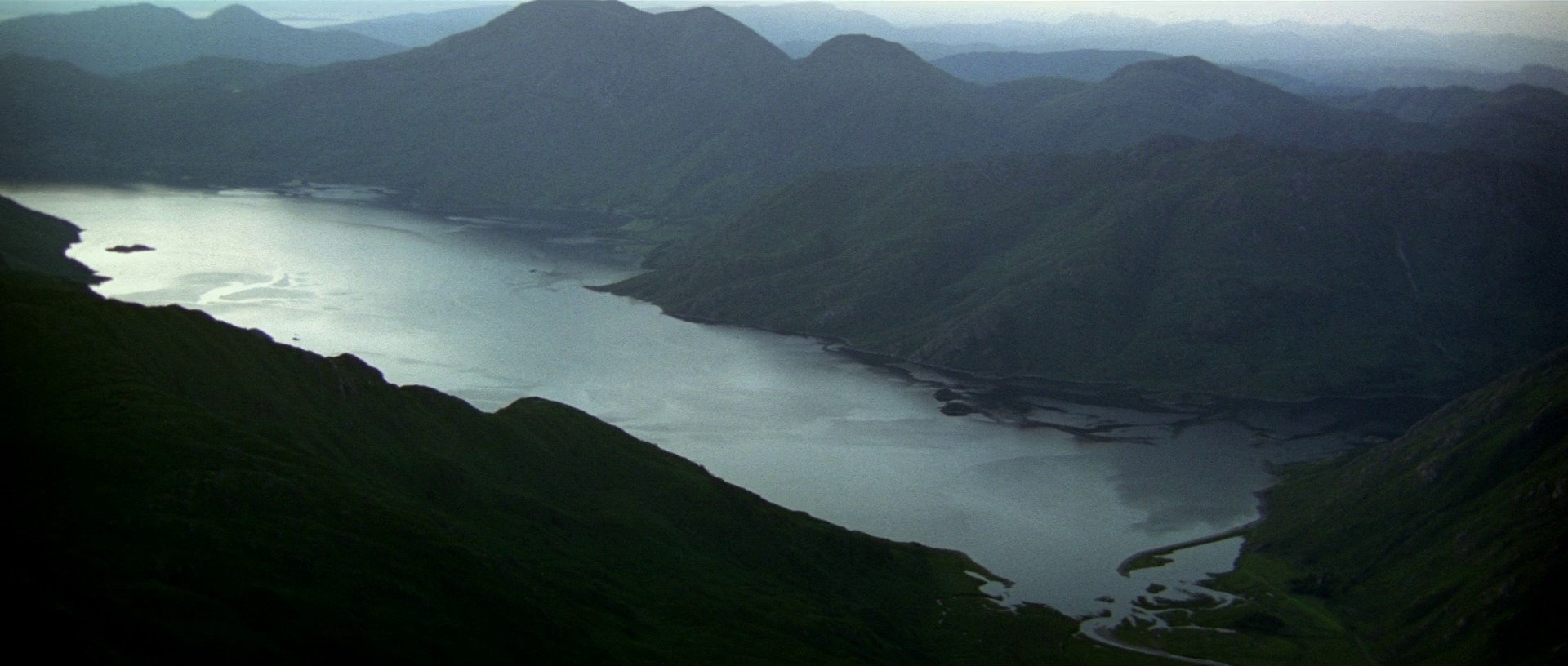
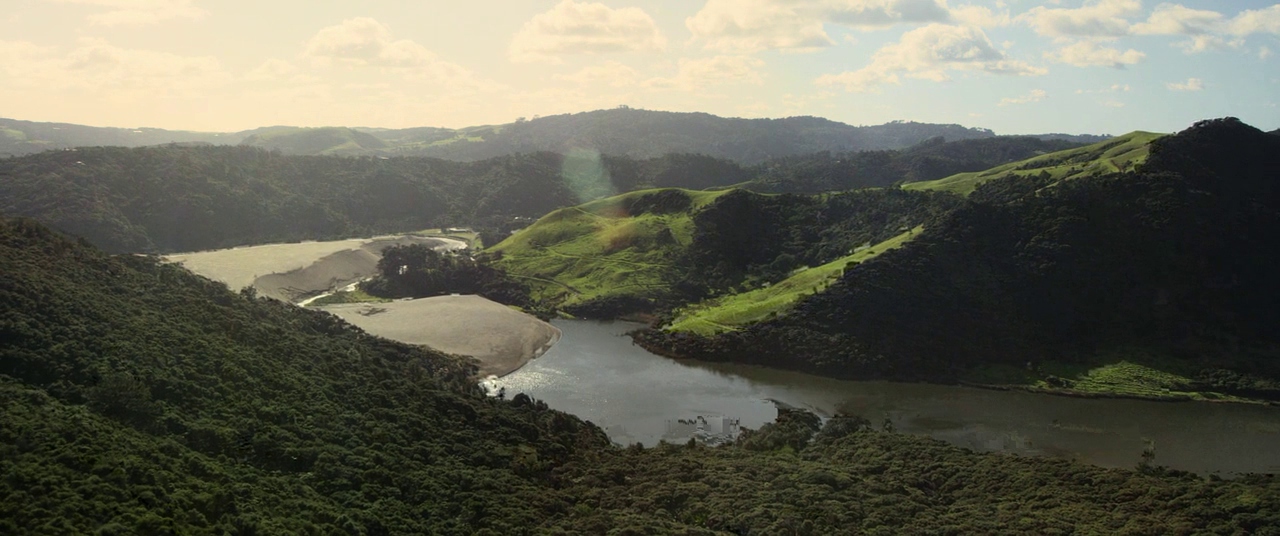
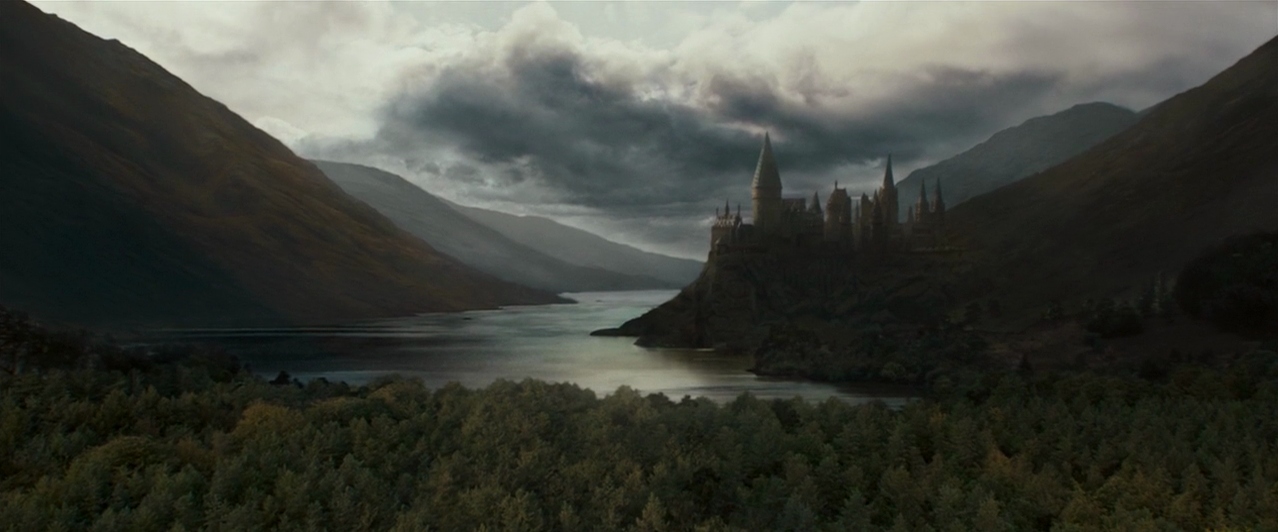
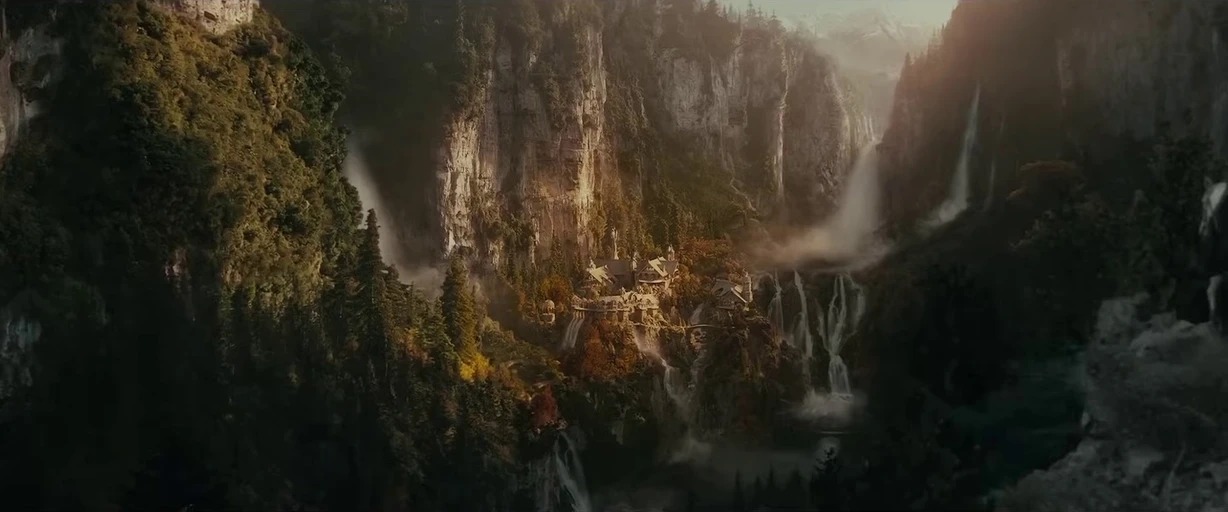
The camera sweeps across mist-wreathed peaks. A fellowship of travellers rides through golden grasslands beneath snow-capped mountains. This isn't CGI , it's Glenorchy, 45 minutes from Queenstown. Peter Jackson's The Lord of the Rings trilogy didn't just film in New Zealand; it transformed the country's identity. Two decades later, visitors still arrive clutching replica swords, asking which hill is Weathertop and where exactly the Riders of Rohan galloped.
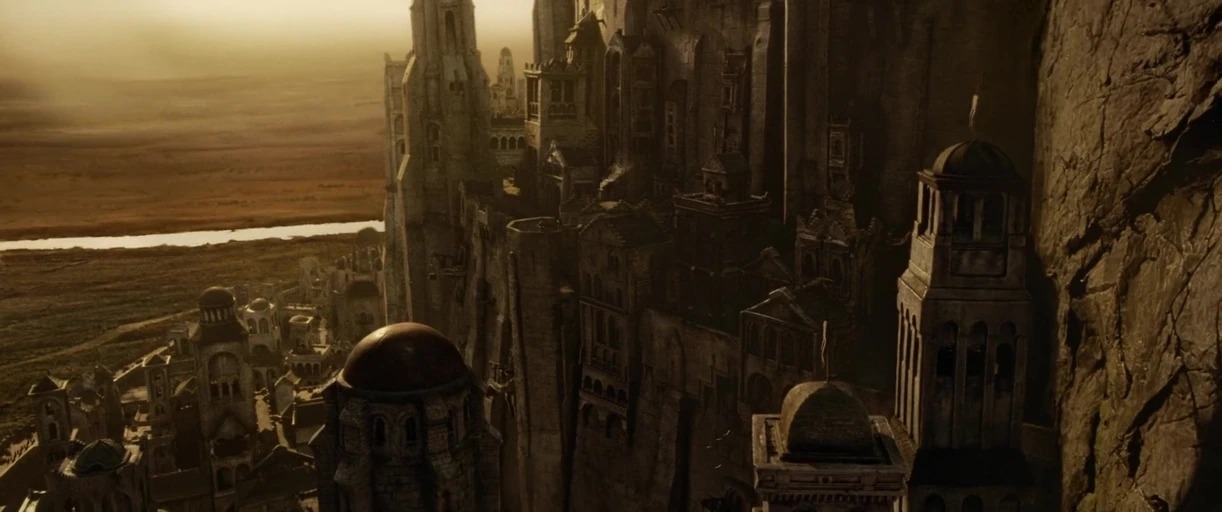
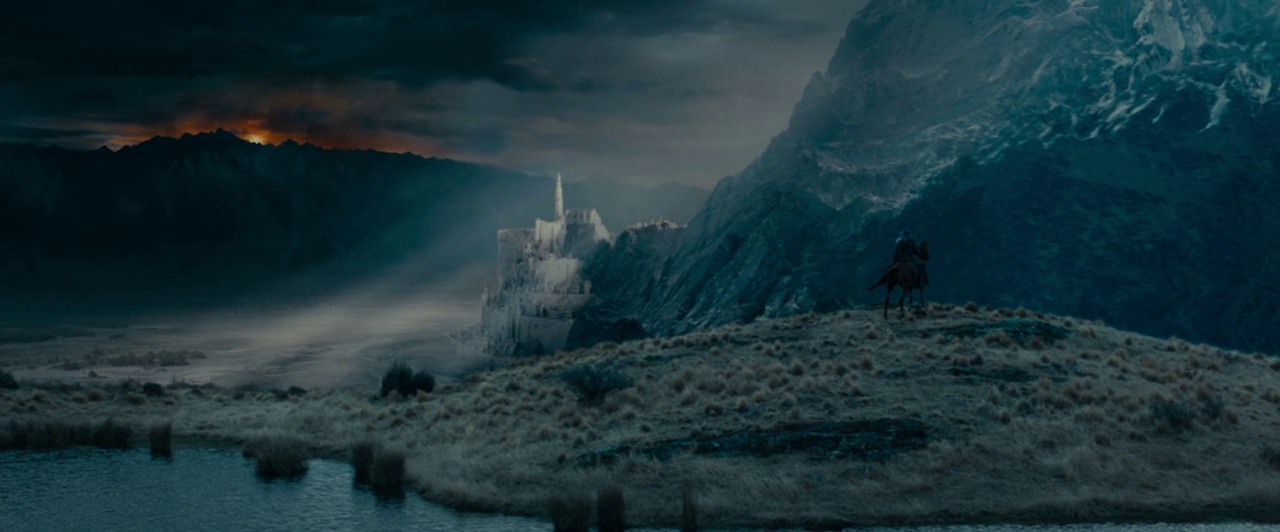
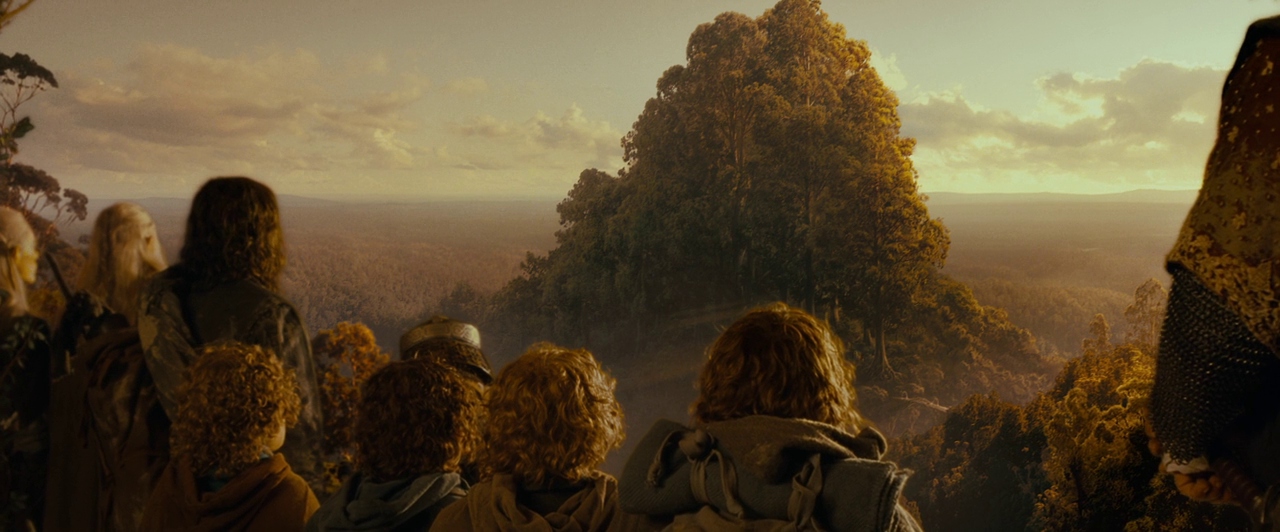
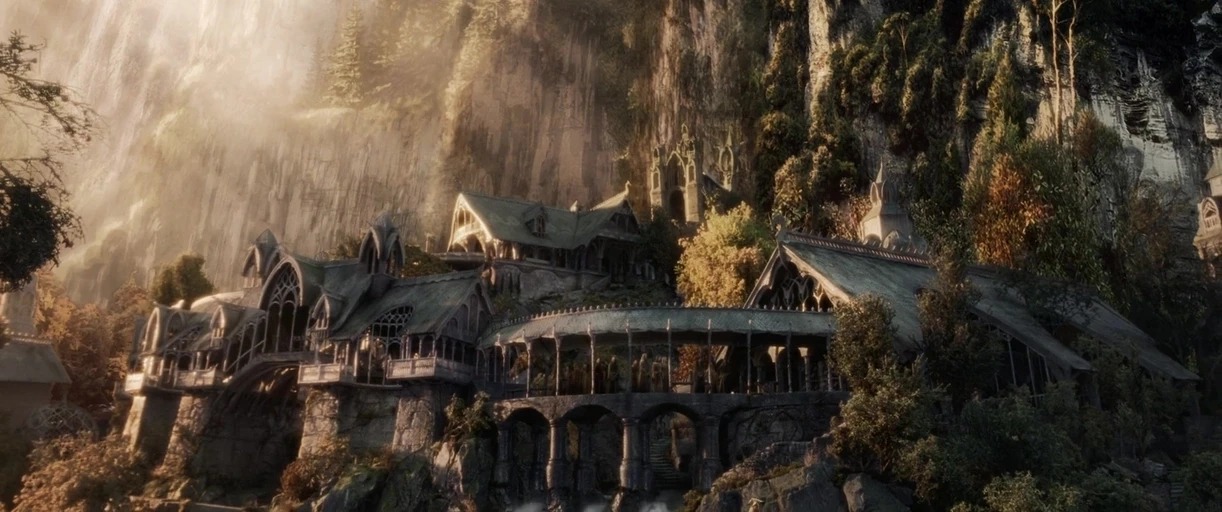
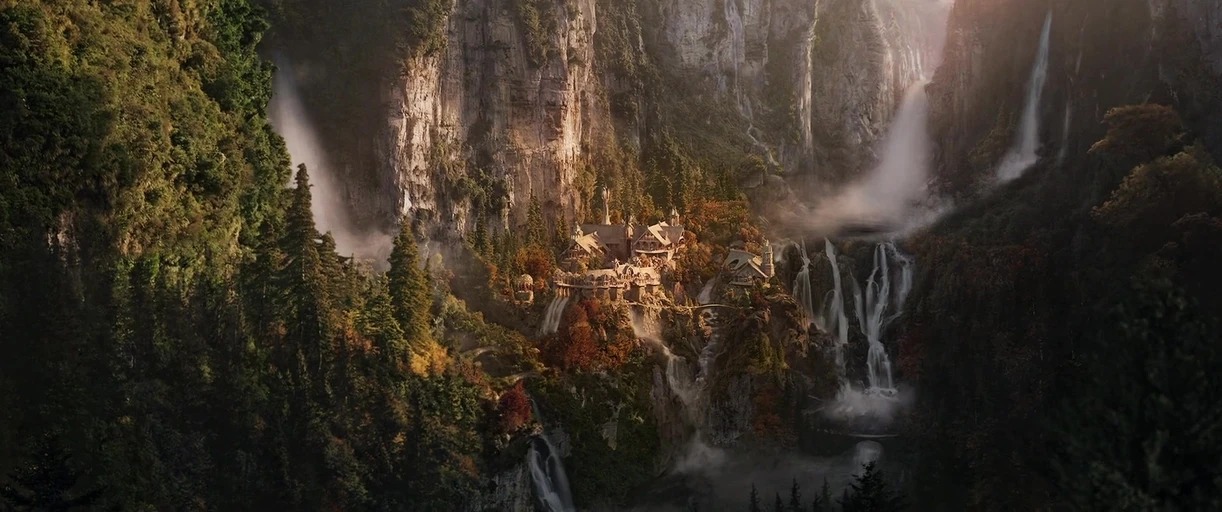
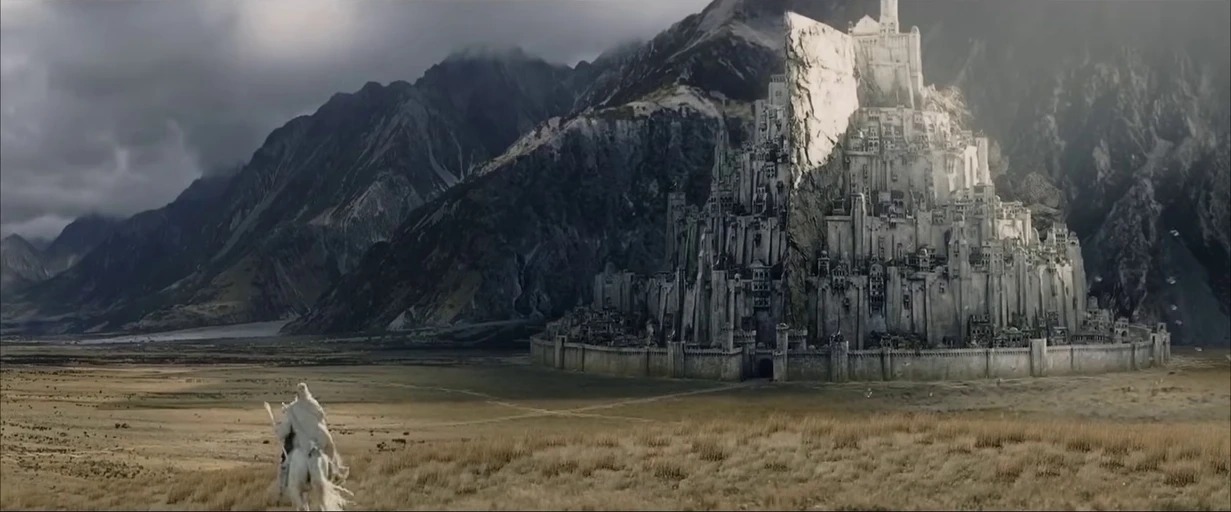
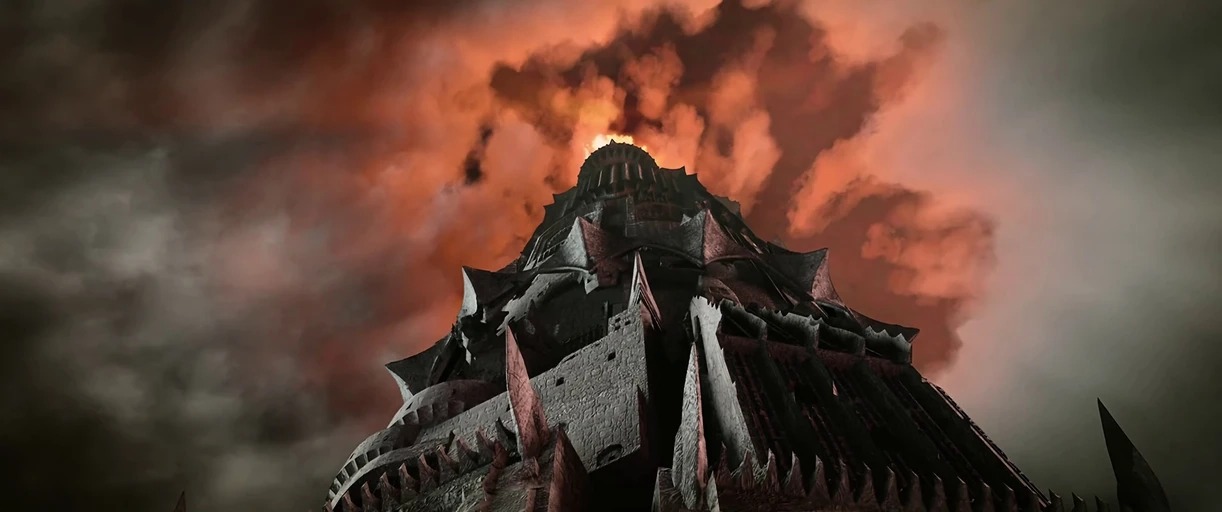
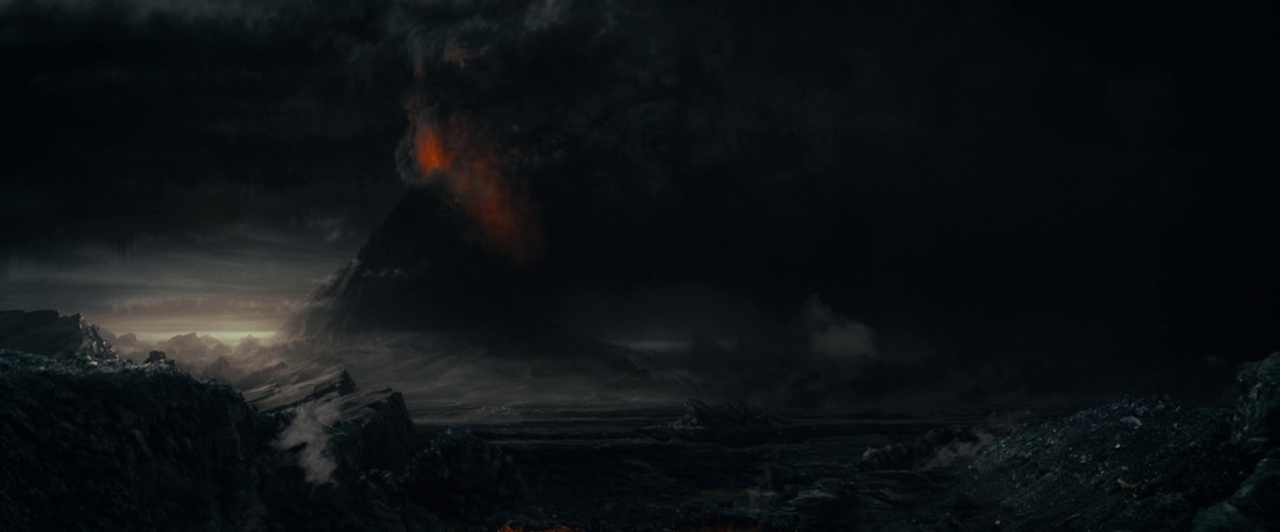
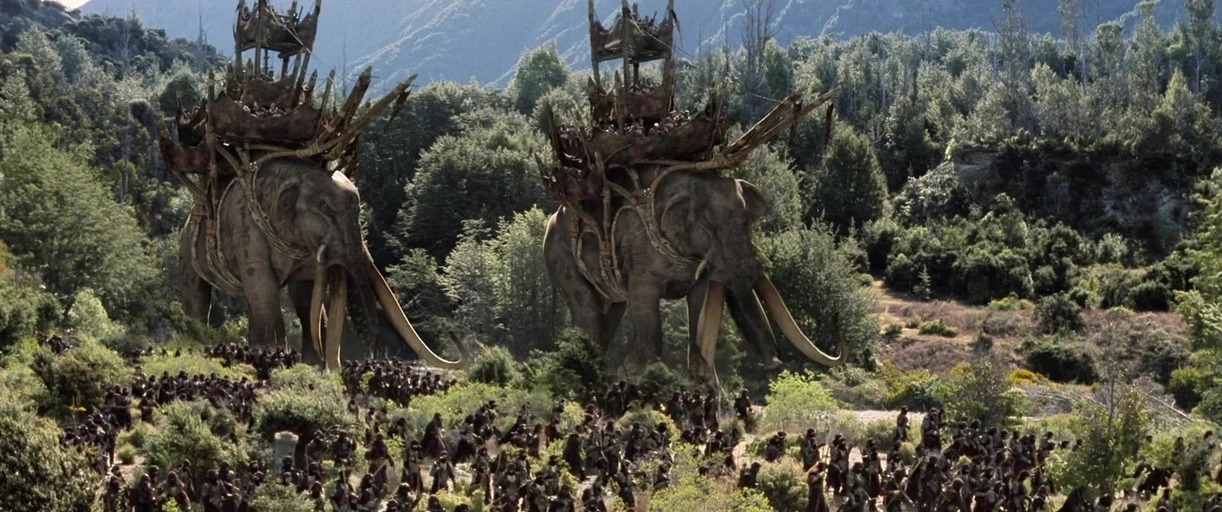
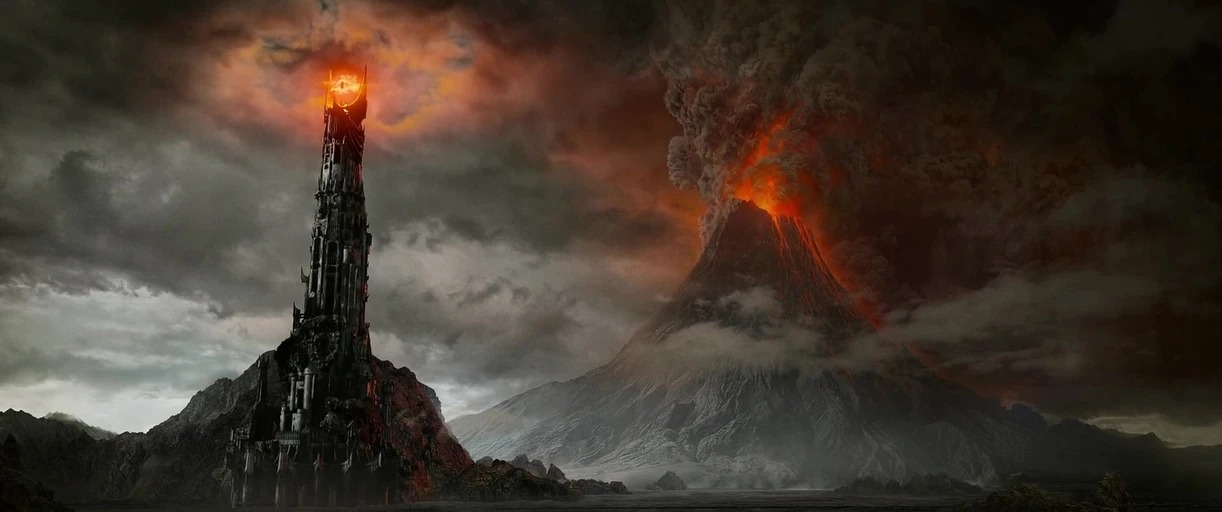
Peter Jackson's Lord of the Rings trilogy transformed Queenstown from a quiet adventure town into one of the most recognised filming destinations on earth. While Hobbiton in Matamata catches the tour buses, the Queenstown-Lakes district provided the epic scale: the mountain passes, ancient forests and sweeping plains that defined Middle-earth's visual language.
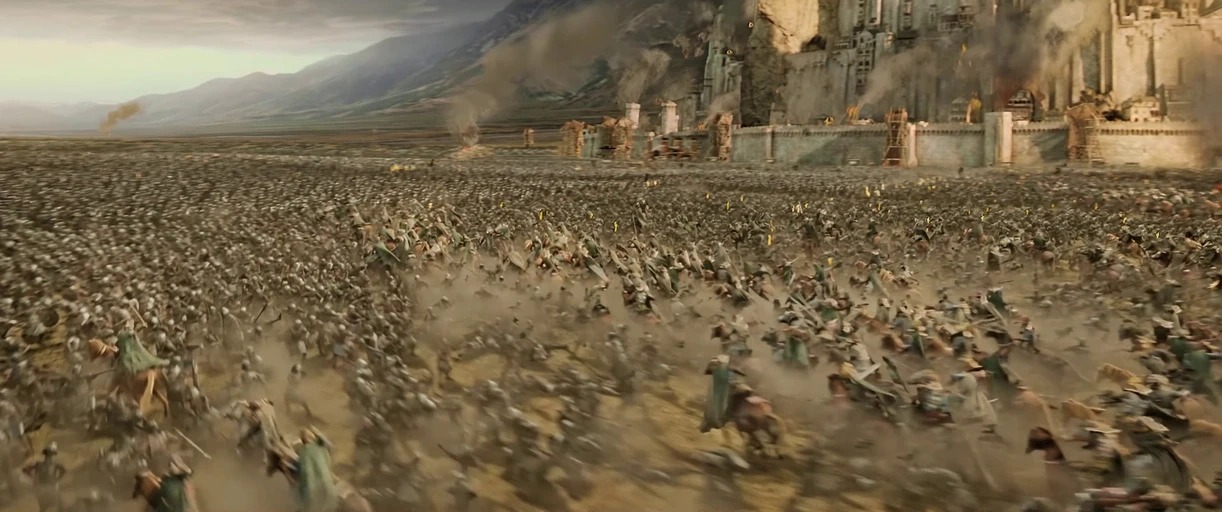
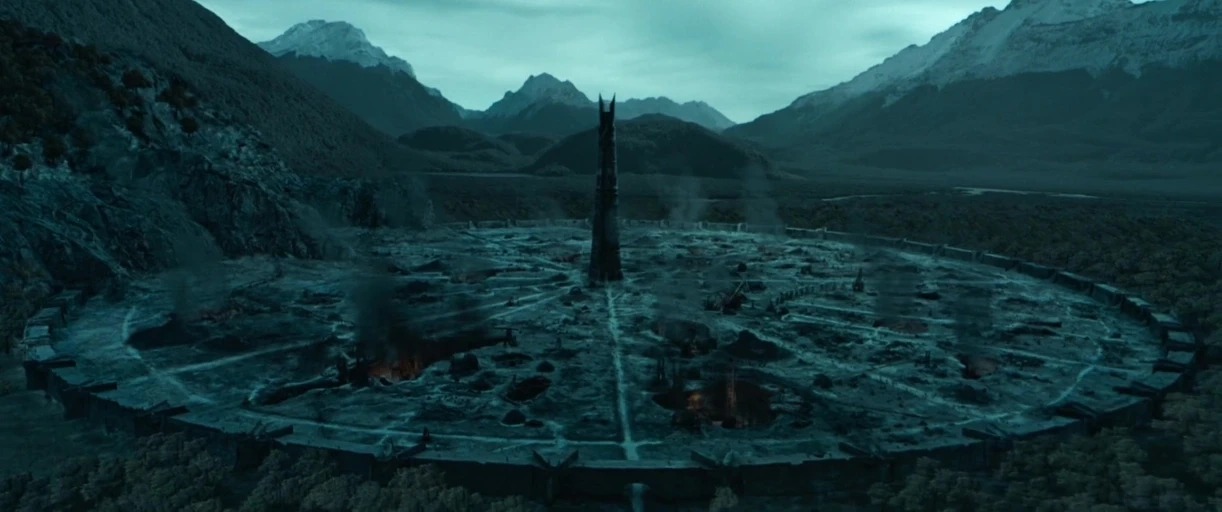
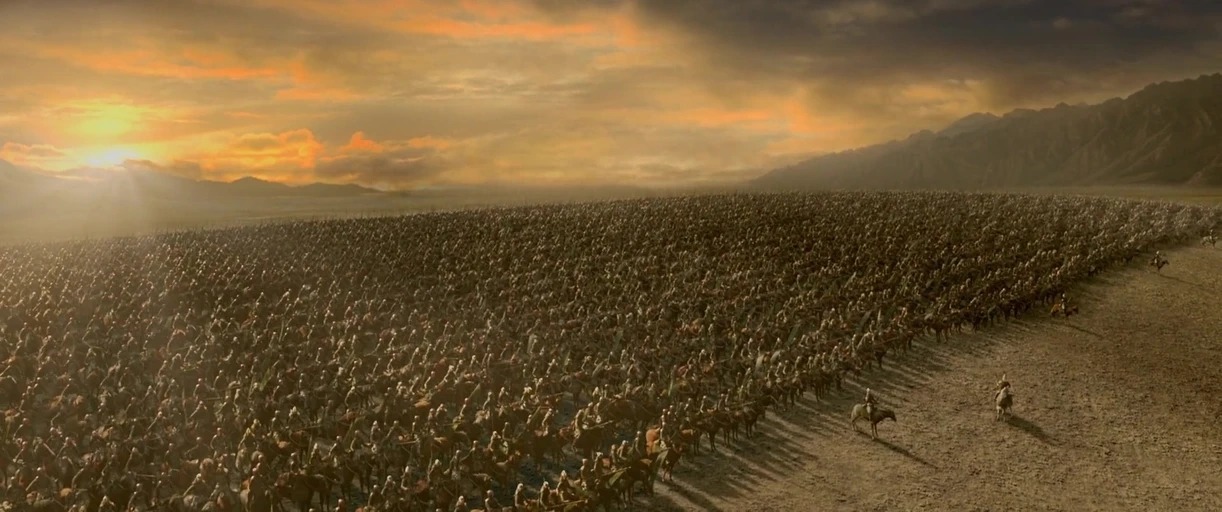
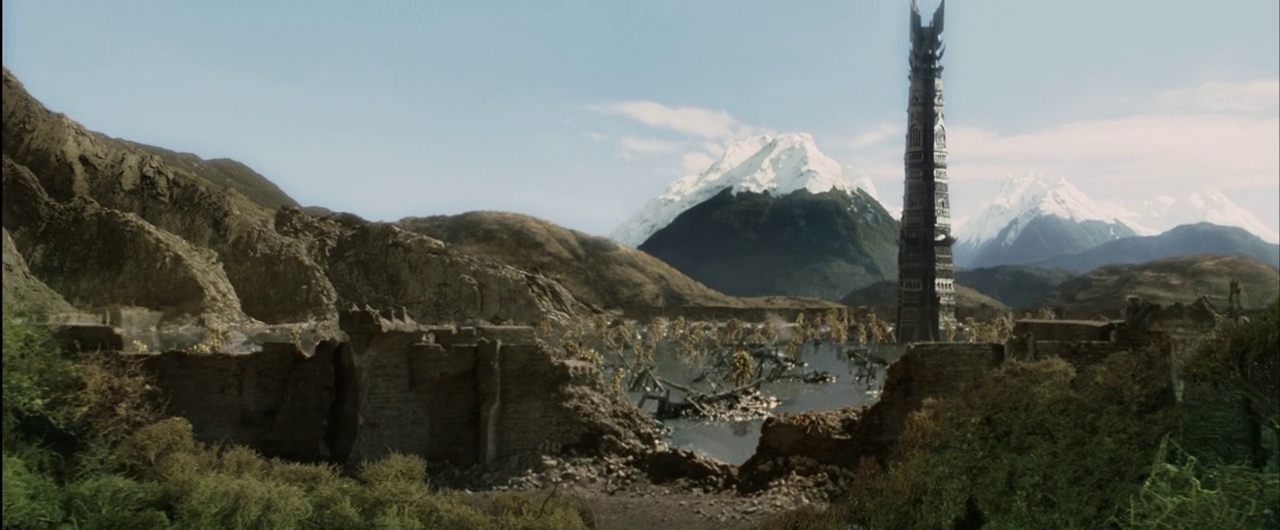
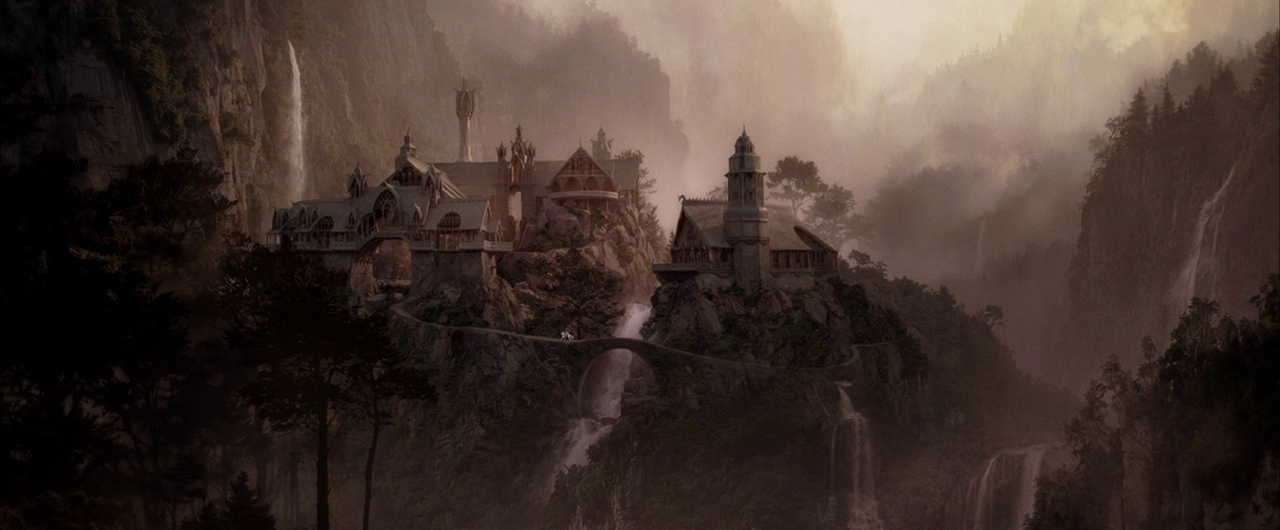
The production spent months in the region, and many locations remain exactly as they appeared on screen. Glenorchy, at the head of Lake Wakatipu, served as multiple locations including Isengard (with a little CGI assistance). The beech forests along the Routeburn Track became Lothlórien. Deer Park Heights, with its 360-degree lake and mountain views, hosted the Rohan refugee sequences and Pelennor Fields.
What makes Queenstown's LOTR locations special is their accessibility. Unlike some filming sites that are helicopter-only or on private land, most are reachable by car with a short walk. Twelve Mile Delta is a DOC campsite where you can pitch a tent on the same ground where Faramir's rangers made camp. The Dart River valley above Glenorchy: where the Fellowship paddled past the Pillars of the Kings: is a commercial jet boat route you can book any day of the week.
For the best self-guided experience, pick up the official LOTR location map from the Queenstown i-SITE and allow a full day. Glenorchy in the morning, Deer Park Heights for sunset. Bring a telephoto lens: the scale of these landscapes is impossible to capture on a phone.
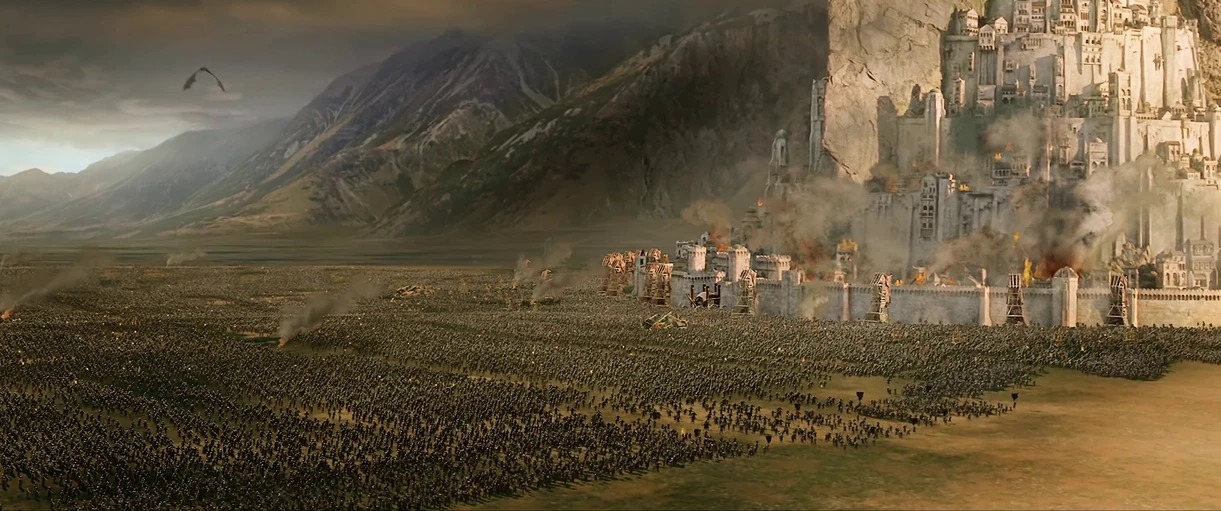
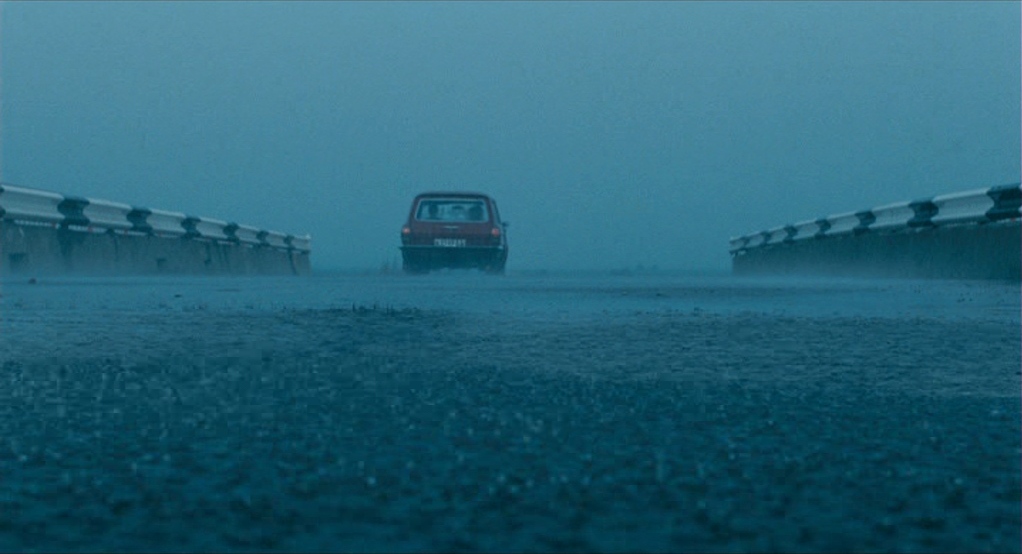
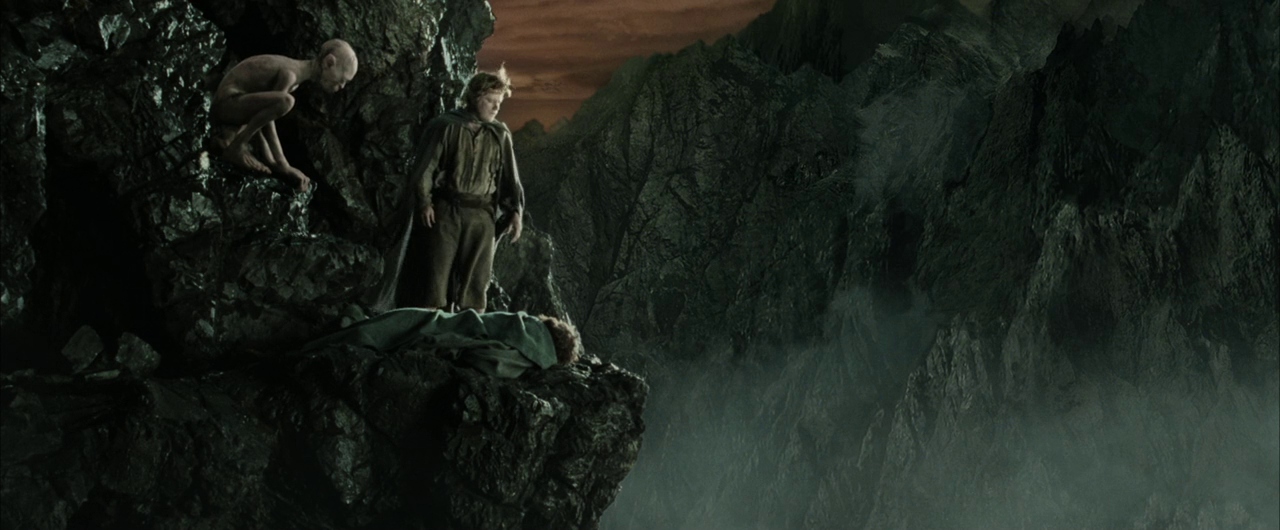
FrameThrower still
“Epic wide vistas, misty forests, golden-hour mountain light. Jackson favoured 35mm anamorphic lenses with heavy diffusion filters for the elven sequences, creating that soft, painterly quality that...”