Queenstown Packing List 2026: What to Bring for Every Season
“Whatever month you visit, bring a genuine waterproof jacket, layers you can add and shed through the day, serious sun protection, and shoes you can walk in. Everything else depends on when you come.”
New Zealand's mountain weather changes fast, and the saying "four seasons in one day" is barely an exaggeration here, especially in the shoulder seasons. This guide breaks it down season by season, with tickable checklists you can work through as you pack.
Key facts
- Queenstown weather can serve up four seasons in one day, so layers beat one heavy jacket in every month
- Summer highs reach about 25°C; a winter afternoon can be 10°C in town and minus 5 on the mountain
- New Zealand's UV is intense even on overcast days, so SPF50+ sunscreen is a year-round essential, not a summer one
- Milford Sound gets about 8 metres of rain a year across roughly 200 rainy days, so the day trip demands a real waterproof
- The ski season runs roughly late June to early October, and adult lift passes cost around $130 to $160 a day
- Forgot something? Kathmandu, Macpac and Bivouac in central Queenstown sell everything from $5 emergency ponchos to full alpine kit
The year-round essentials
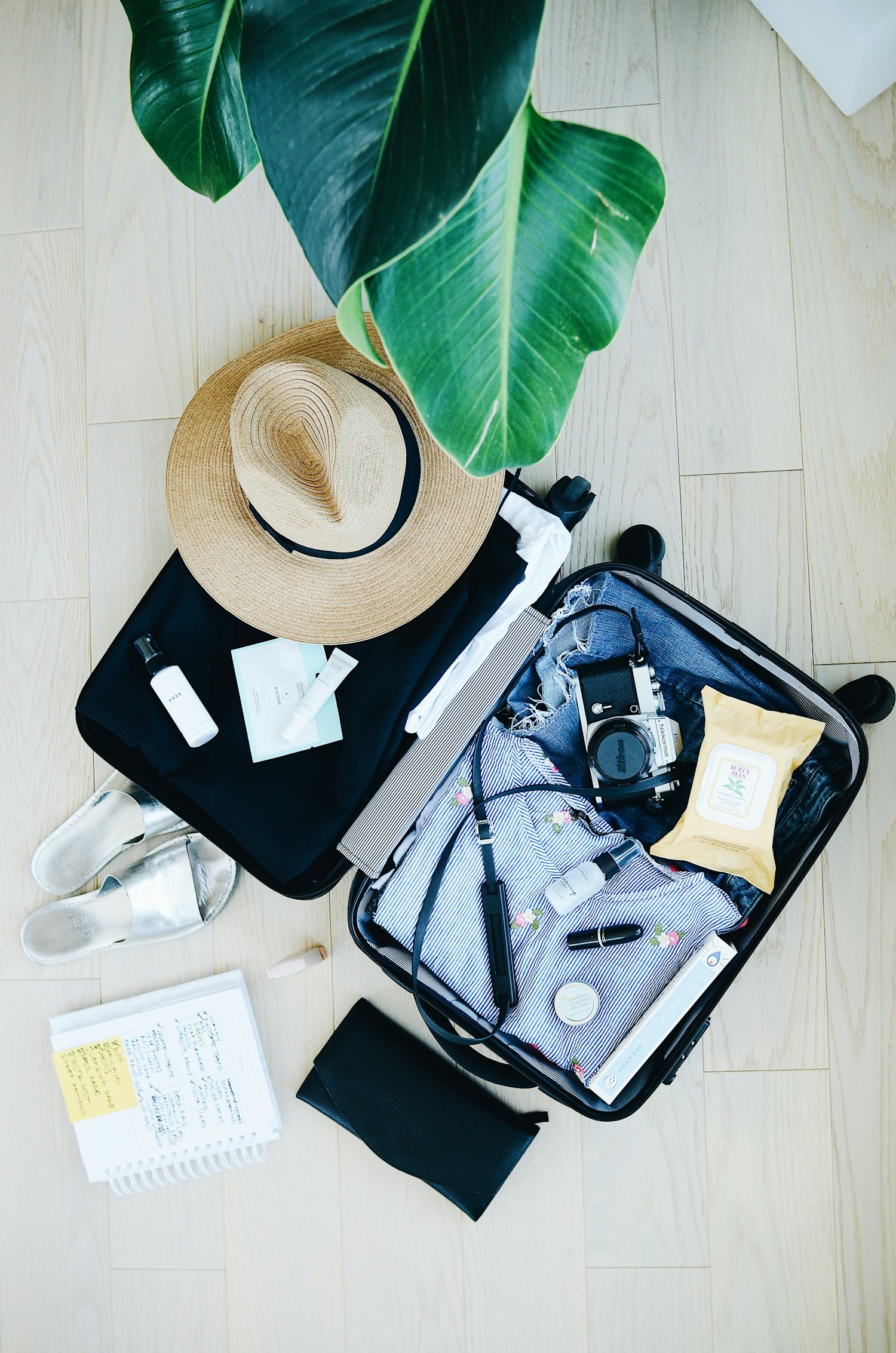
These ten earn their bag space in every season. Tick them off as you pack.
- Waterproof rain jacket. A real waterproof with a hood, not a shower-resistant shell. Queenstown gets afternoon showers even in summer, and Milford Sound requires one year round.
- Warm mid-layer. Fleece, merino or a packable down jacket. Temperatures drop quickly once the sun leaves the basin, even in January.
- Breathable base layers. Synthetic or merino, for activity days and cool evenings.
- Comfortable walking shoes with grip. Trainers are fine for town, trail runners if you plan to walk the tracks. Cruise decks get slippery, so closed toes beat sandals on the water.
- Sunscreen SPF50+ and sunglasses. The UV here is intense at altitude and burns fast, even through cloud.
- Beanie and light gloves. They pack flat, weigh nothing, and earn their place on gondola viewpoints and boat decks in any season.
- Daypack, 20 to 30 litres. Layers, water, snacks and a camera for day trips.
- Travel power adapter. New Zealand uses the same flat three-pin sockets as Australia. Visiting from the UK, US, Europe or Asia, pack an adapter or grab one at the airport.
- Insect repellent. Sandflies around Milford Sound and Fiordland are legendary, and DEET-based repellent works best.
- Reusable water bottle. For track days, bus trips and the flight home.
Season by season
Summer (December to February): Long evenings and daytime highs around 25°C, but mornings can still start cool. Add togs (Lake Hayes warms to 18 to 20°C by late summer, noticeably friendlier than chilly Lake Wakatipu), a sun hat, sandals for town, and a warm layer for Milford or mountain days, which typically run 5 to 8°C cooler.
Autumn and spring, the shoulder seasons: The most changeable months, so they demand the widest spread of kit. March still feels like late summer with 15 to 20°C days and 6 to 10°C evenings, while spring climbs from 6 to 13°C in September to 11 to 20°C by November. Add an extra mid-layer, a beanie from April, waterproof over-trousers, and keep the sunscreen on.
Winter (June to August): Queenstown can be 10°C in town and minus 5 on the mountain in the same afternoon. Add an insulated jacket, thermal base layers top and bottom (the single biggest comfort upgrade for a winter visit), a warm hat, gloves and a neck gaiter, and footwear with proper grip for frosty mornings. If skiing, hire the big gear locally rather than flying with it: rental skis, boards, boots and helmets are widely available at the base lodges and in town, and lift passes are consistently cheaper booked online before you go. Bring your own gloves and thermal base layers, as the rental versions are the weak link.
The Milford Sound day-trip kit
The classic coach and cruise day runs 12 to 14 hours door to door through genuine alpine weather. Milford Sound is one of the wettest inhabited places on earth, about 8 metres of rain a year, and rain there is not a reason to stay home: the fiord grows hundreds of temporary waterfalls and turns properly dramatic. You just need to be dressed for it: the waterproof jacket (non-negotiable, whatever the forecast says), a warm mid-layer even in summer, quick-dry trousers, sandfly repellent applied before you step off the coach, your own snacks and water, and a dry bag or waterproof phone case for shooting from the deck in the rain.
Local tip: cheap ponchos blow around on a moving cruise deck. A fitted hooded waterproof keeps you outside for the views while everyone else retreats to the cabin.

Book the Milford Sound day trip
If the packing list above has you planning the day itself, this is the classic small-group version: coach transfer, cruise, and lunch included.
What NOT to pack
- Jeans as your outdoor trousers. One soaking and they stay wet for hours.
- An umbrella for the boats. Useless on a moving deck, where your hood does the job.
- A formal wardrobe. Queenstown is relaxed, and smart casual covers even the best restaurants in town.
- Boots you have never worn. Break new footwear in at home, not on the trails.
- Every piece of gear you own. The town rents and sells everything, so pack light and fill any gaps when you land.
Queenstown weather by season
| Season | Months | Typical temperatures | Pack focus |
|---|---|---|---|
| Summer | December to February | Highs around 25°C, cool mornings | Sun protection, togs, light layers |
| Autumn | March to May | 15 to 20°C days in March, 6 to 10°C evenings | Layers, beanie from May |
| Winter | June to August | About 10°C in town, below zero on the mountains | Insulation, thermals, grip |
| Spring | September to November | 6 to 13°C in September, 11 to 20°C by November | The widest range, waterproofs |