
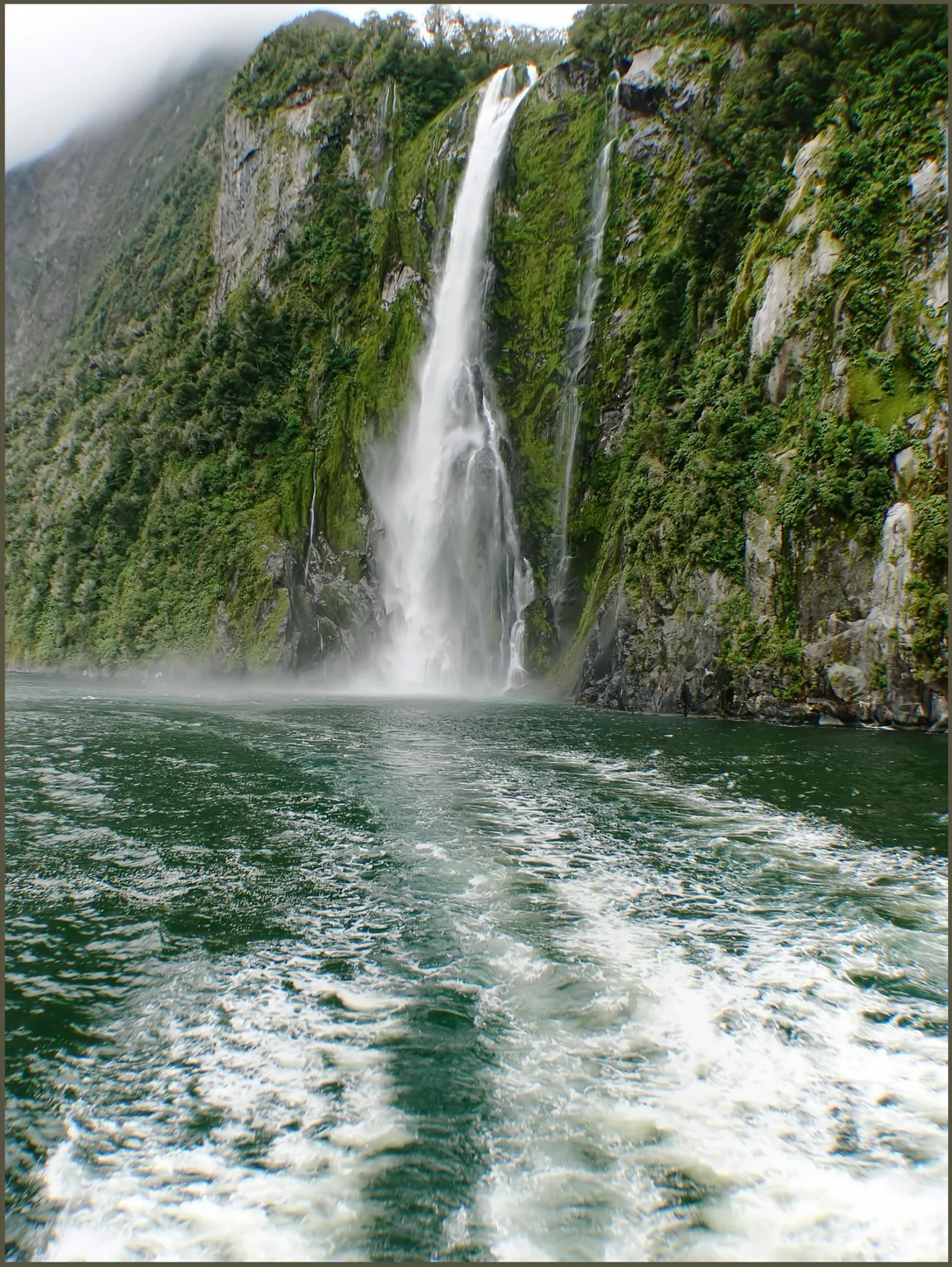

Fiordland National Park is New Zealand's largest national park, over 1.2 million hectares in the southwest of the South Island with fourteen fiords. Coach and cruise trips to Milford Sound run from Queenstown and Te Anau, and Doubtful Sound trips from Queenstown, Te Anau and Manapouri. DOC calls Te Anau the closest town with facilities.
Key facts
- Fiordland National Park was officially constituted in 1952 and covers over 1.2 million hectares. Department of Conservation: Fiordland National Park
- DOC calls Fiordland a World Heritage Area that is New Zealand's largest national park. Department of Conservation: Fiordland
- Fourteen fiords, some reaching up to 40 km inland, run from Milford Sound/Piopiotahi in the north to Preservation Inlet in the south. Department of Conservation: Fiordland National Park
- Fiordland National Park was declared a World Heritage Area in 1986. Department of Conservation: Fiordland National Park
- Lake Hauroko, the deepest lake in New Zealand at 462 m, is among the hundreds of lakes in the park. Department of Conservation: Fiordland National Park
- Three of New Zealand's Great Walks are in Fiordland: the Kepler, Milford and Routeburn tracks. Fiordland official visitor guide: Fiordland National Park
- Milford Sound is the only one of Fiordland's 14 fiords that can be reached by road. Fiordland official visitor guide: Milford Sound Piopiotahi
- Ten marine reserves border the park, and the fiords hold one of the world's largest populations of black coral trees, about 7 million colonies. Department of Conservation: Fiordland marine reserves
- DOC says rainfall in the park reaches up to 9,000 mm a year, and cold, snow, strong wind and heavy rain can occur in any season. Department of Conservation: Kepler Track
01 / 05
What Fiordland is
DOC calls Fiordland New Zealand's largest national park. Glaciers have covered the area at times over the last 2 million years, carving U-shaped valleys that are now lakes or fiords. Hundreds of lakes dot the park, among them Lake Hauroko, the deepest in New Zealand at 462 m, and fourteen fiords run from Milford Sound in the north to Preservation Inlet in the south. The park was officially constituted in 1952, covers over 1.2 million hectares, and was declared a World Heritage Area in 1986. Fiordland's official visitor guide says the park is part of the wider Te Wāhipounamu World Heritage site.
02 / 05
Choosing your Fiordland day
Milford Sound is the only one of the fourteen fiords you can reach by road, says Fiordland's official visitor site. Doubtful Sound has no direct road: DOC says the easiest way in is a boat from Manapouri across the lake to West Arm, then a coach over Wilmot Pass. The official site says both are day trips from Te Anau or Manapouri and very long day trips from Queenstown, so allow an additional 4 hours. In our view, choose Milford for one day from Queenstown and Doubtful if you can stay in Te Anau.
03 / 05
Plan for rain
DOC says weather in Fiordland is highly changeable: cold temperatures, snow, strong winds and heavy rain can come at any time of year, and it can be sunny too. Its Kepler Track page gives up to 9,000 mm of rain a year for the park, and DOC says avalanches usually occur from May to November. Check the forecast and road status before you set out, especially in winter.
04 / 05
Walking in the park
Three of New Zealand's Great Walks are in Fiordland: the Kepler, Milford and Routeburn tracks. DOC says Quintin McKinnon and Donald Sutherland opened up the Milford Track in 1889 and began guiding tourists along it. The Kepler Track is a 60 km loop of 3 to 4 days, and its Great Walks season runs from 27 October 2026 to 30 April 2027, when huts and campsites must be booked.
05 / 05
Wildlife and the marine reserves
Ten marine reserves border the park. DOC says rain creates a permanent freshwater layer on the fiords, stained the colour of weak tea, which keeps most marine life in the top 40 metres, and the fiords hold about 7 million black coral colonies, some up to 200 years old. Fiordland's official site says Fiordland crested penguins can be seen in Doubtful Sound, Milford Sound and the other fiords, best from July to November.