La Historia
What happens on screen, and what happened behind the camera.
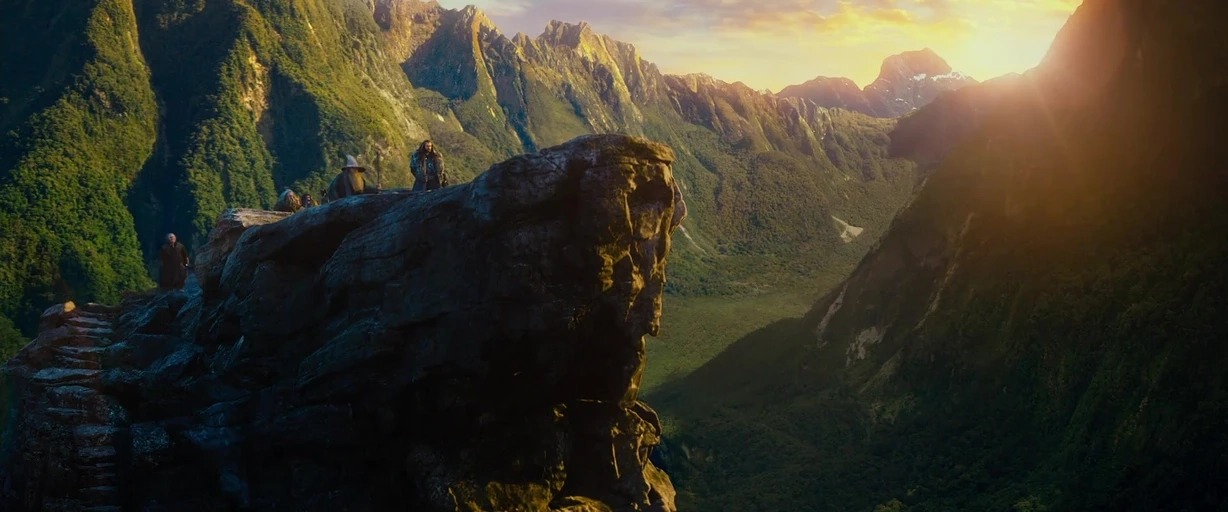
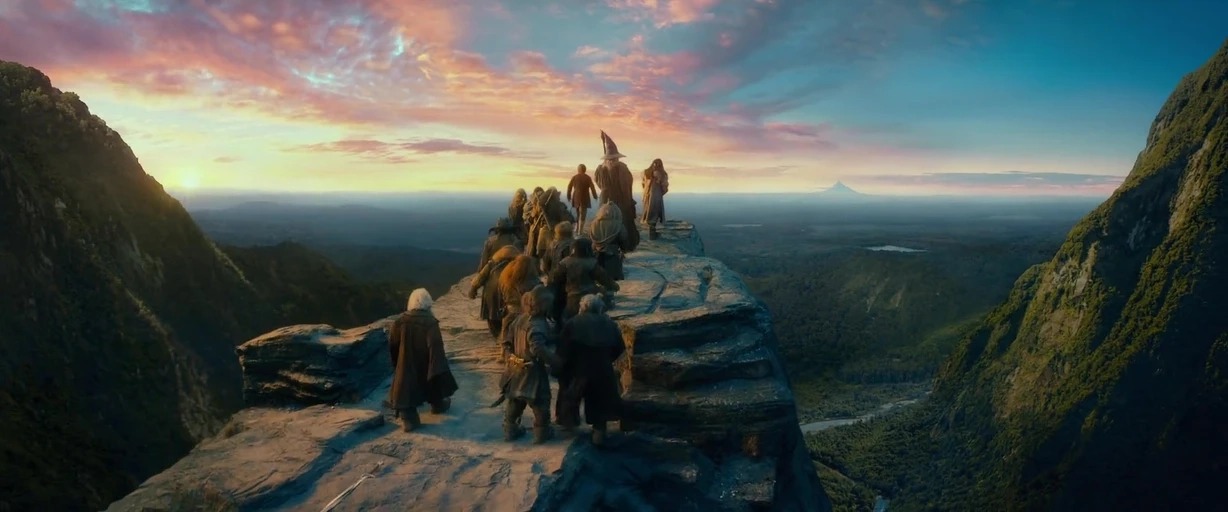
A company of dwarves sings by firelight in a valley so perfect it looks rendered. It's not. It's Earnslaw Burn, where a glacier feeds waterfalls that cascade 300 metres down sheer rock. When Peter Jackson returned to Middle-earth for The Hobbit trilogy, he came back to Queenstown. The Earnslaw Burn became the Valley of Imladris, the Remarkables stood in for the Misty Mountains, and once again, the world's most famous fantasy existed in a place you could actually walk to.
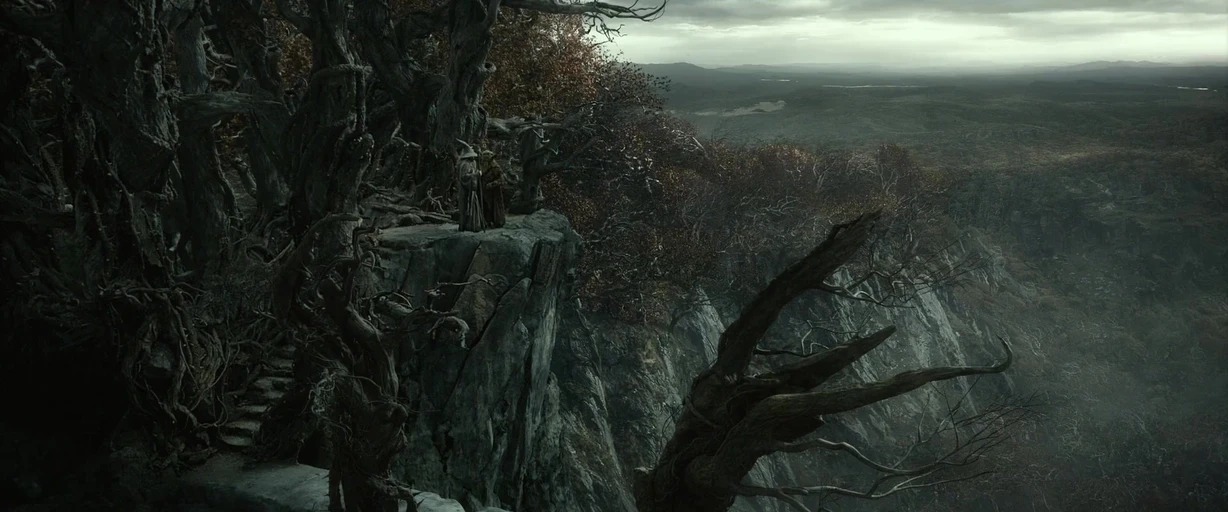
When Peter Jackson returned to Middle-earth for The Hobbit, he came back to Queenstown. The most spectacular location from the trilogy is Earnslaw Burn: a hanging glacier above Glenorchy that served as the approach to the Lonely Mountain. In the film, Bilbo and the dwarves navigate a river valley with a towering waterfall and glacier in the background. That shot was not CGI: it is Earnslaw Burn exactly as it appears in real life.
Reaching it requires either a helicopter (multiple operators offer Earnslaw Burn landings) or a full-day hike from the Routeburn Road. The payoff is a 30-metre waterfall thundering off a glacier face, with the Dart Valley spreading out below. It is one of the most dramatic day walks in the region and surprisingly uncrowded: most visitors never find it.
Braemar Station, near Lake Pukaki in the Mackenzie Country, stood in for Lake-town. While technically outside Queenstown proper (it's a 2.5-hour drive), many visitors combine it with a Mount Cook day trip for a Hobbit double-header. The station is a working farm, so stick to marked tracks and close gates.
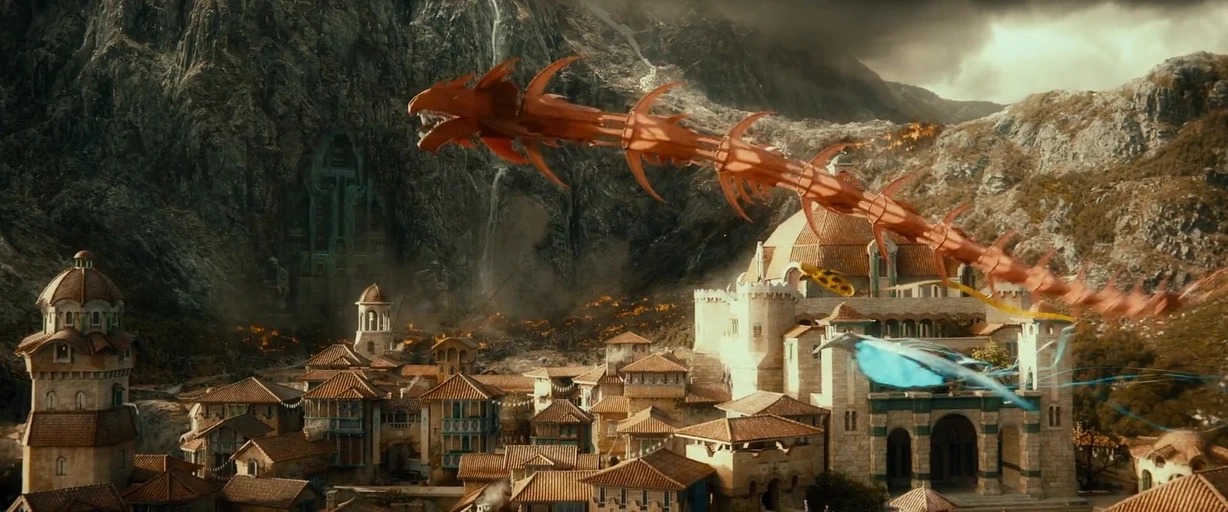
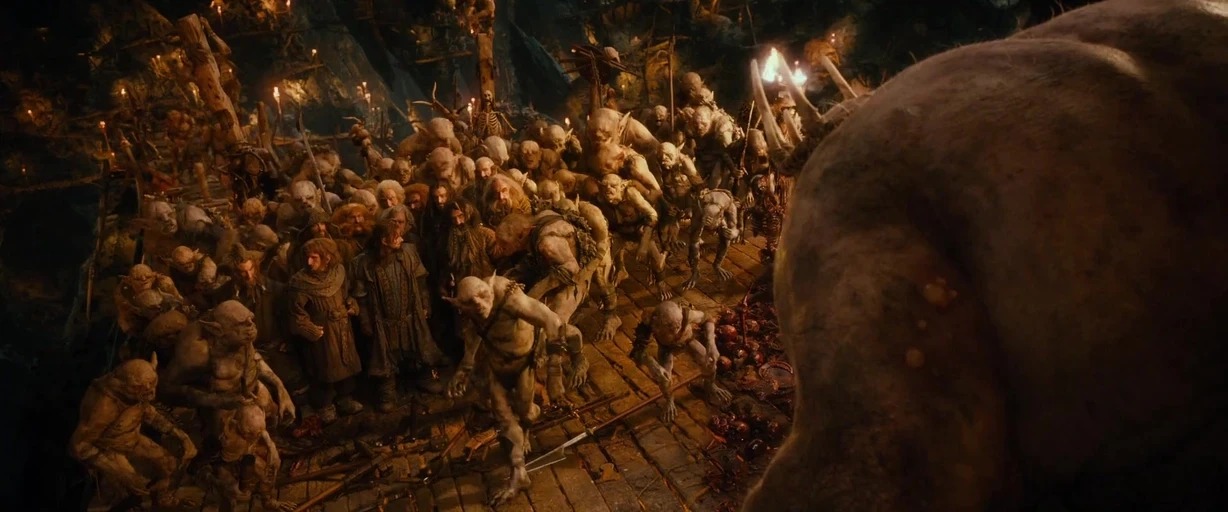
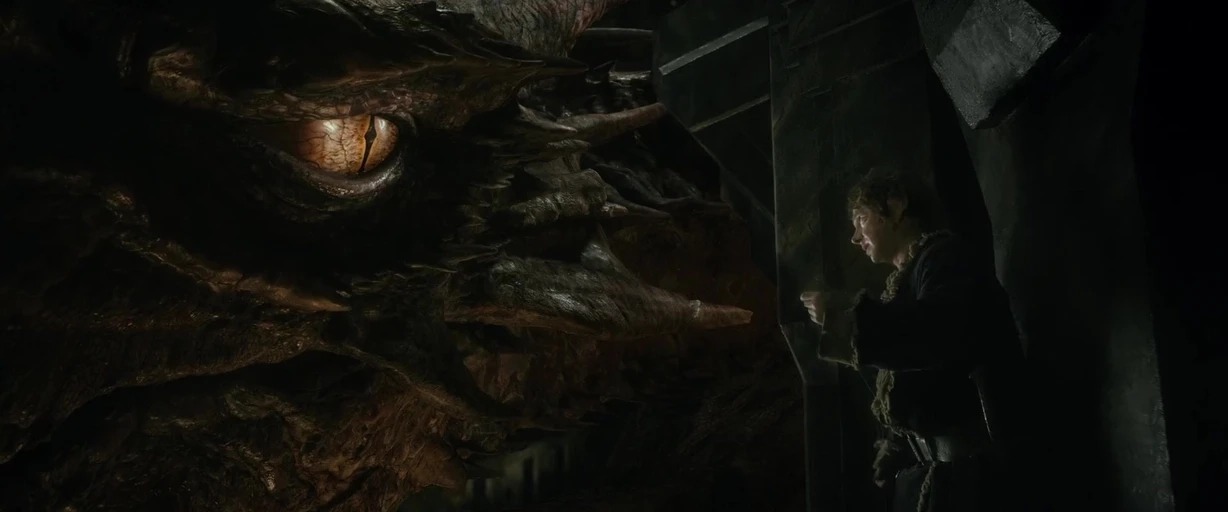
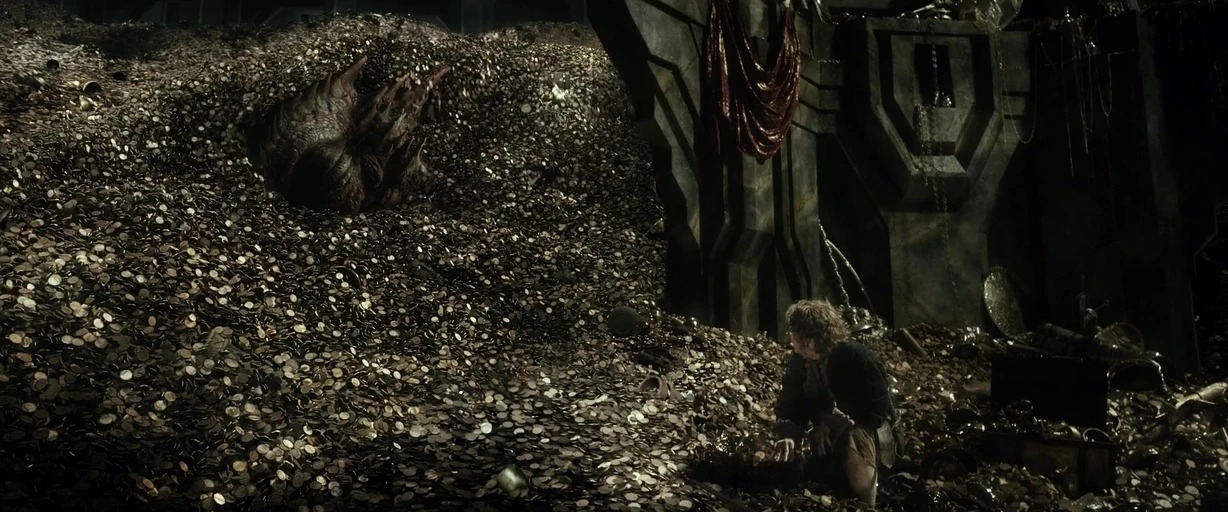
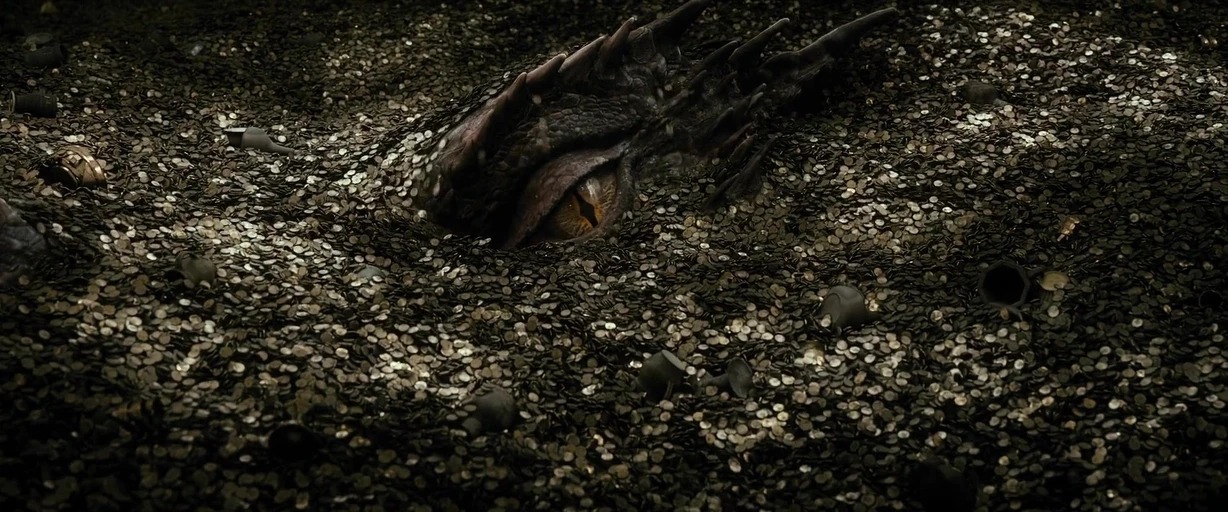
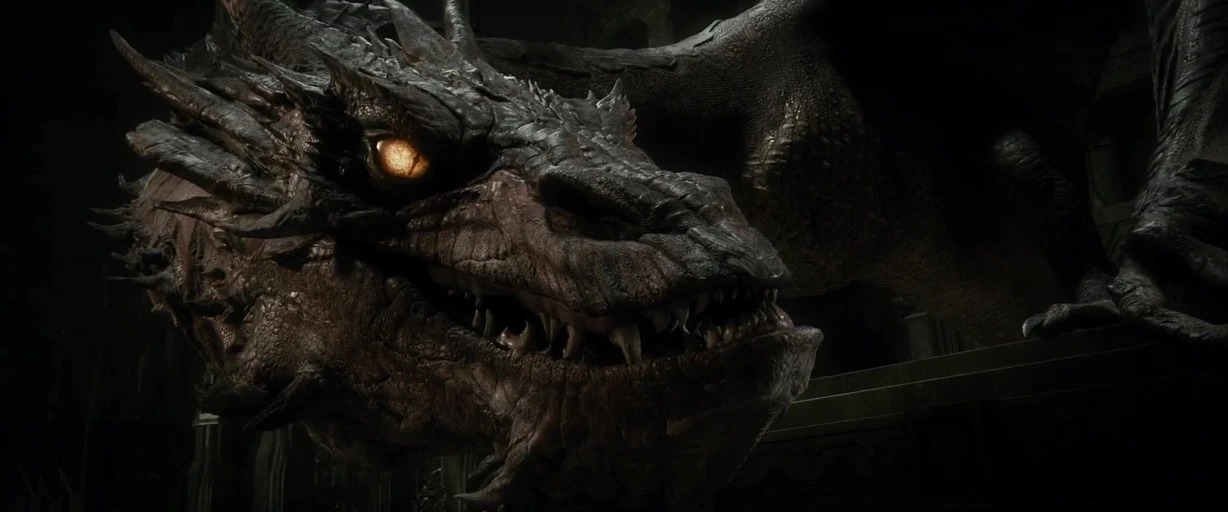
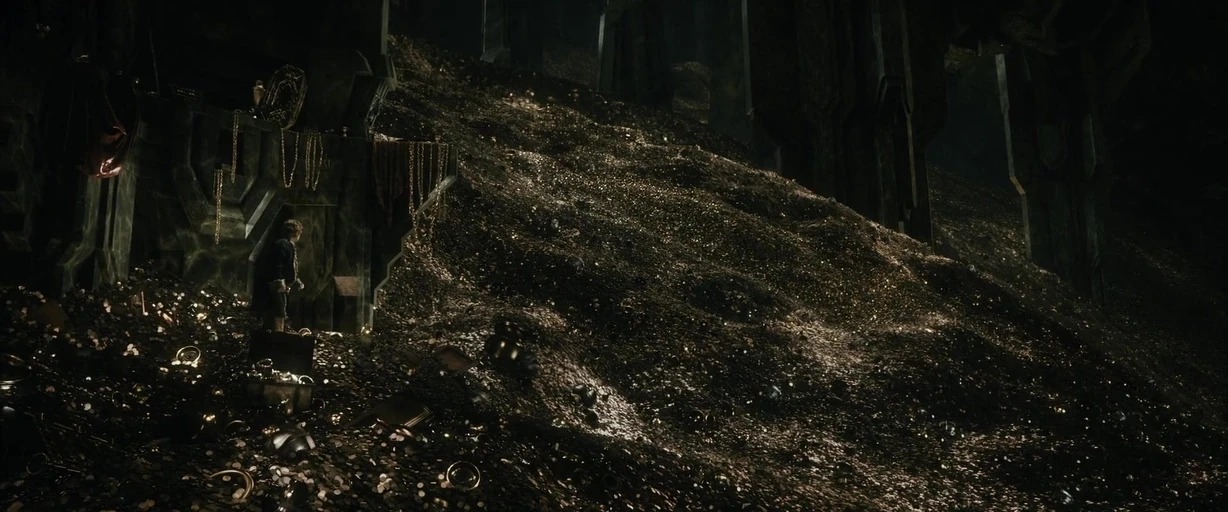
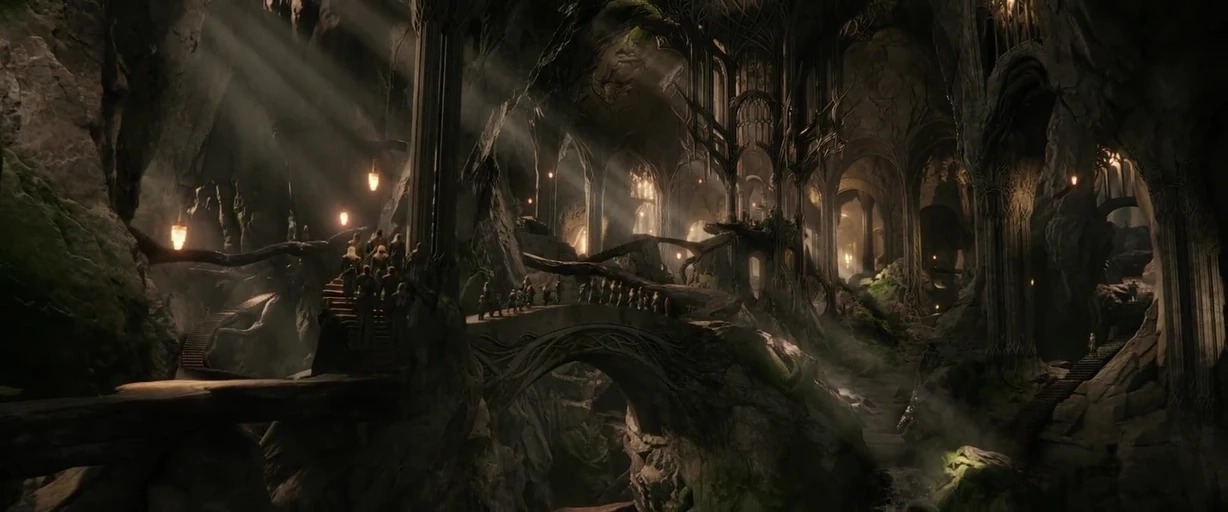
FrameThrower still
“Higher contrast than LOTR: Jackson shot The Hobbit at 48fps on Red Epic cameras, giving a sharper, hyper-real look. The Earnslaw Burn scenes use natural light and wide-angle lenses to emphasise the...”