
Earnslaw Burn
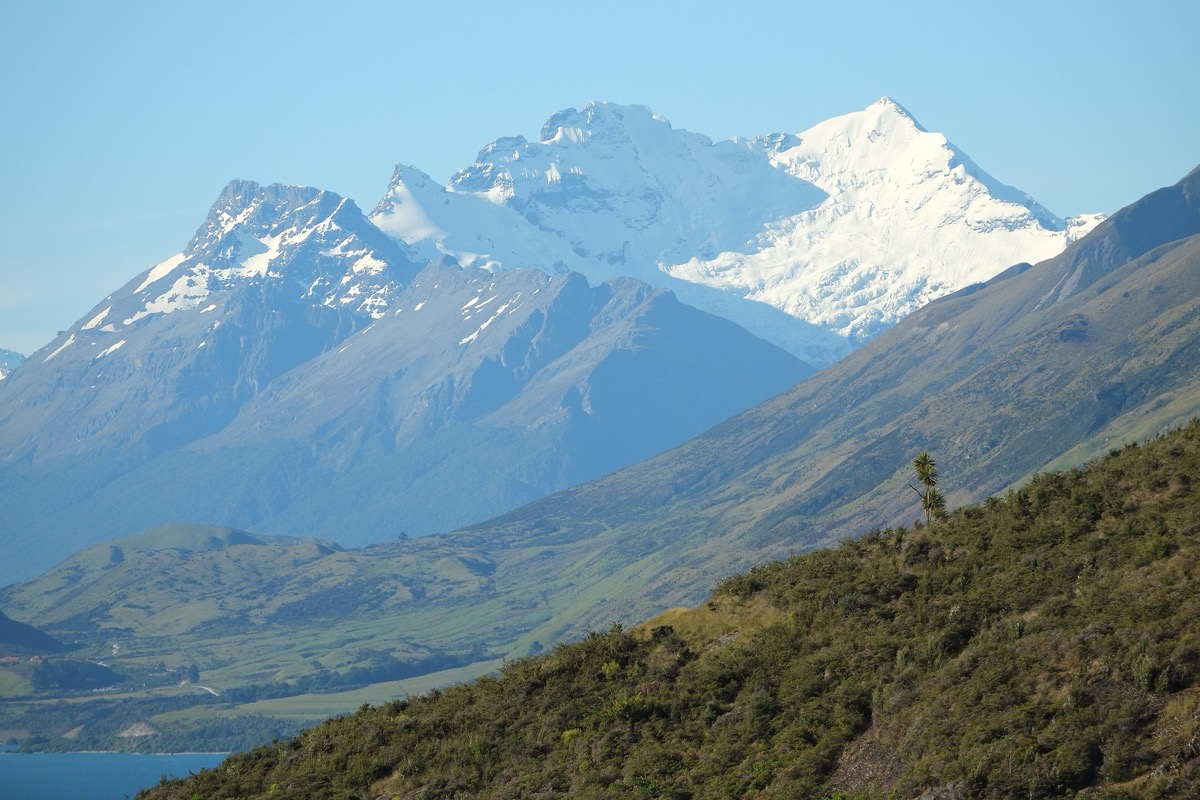
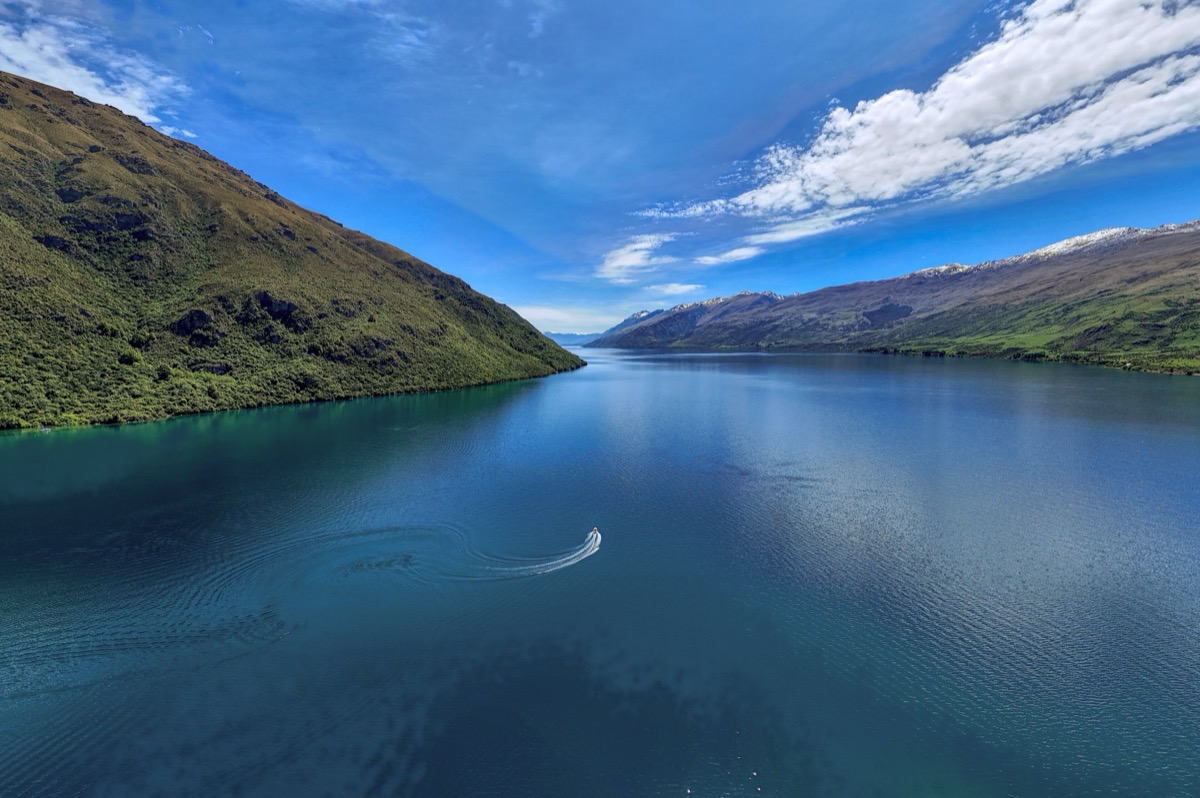
The Earnslaw Burn is a hidden glacial valley at the head of Lake Wakatipu, accessible only by helicopter or a demanding multi-day hike. Its defining feature is a sheer rock face where dozens of waterfalls cascade from the melting Earnslaw Glacier - a sight so dramatic it was used as the approach to the Misty Mountains in The Hobbit trilogy.
The Earnslaw Burn is a hidden glacial valley at the head of Lake Wakatipu, accessible only by helicopter or a demanding multi-day hike. Its defining feature is a sheer rock face where dozens of waterfalls cascade from the melting Earnslaw Glacier - a sight so dramatic it was used as the approach to the Misty Mountains in The Hobbit trilogy.
About Earnslaw Burn
Otago, 1 production filmed here.
The Earnslaw Burn is a hidden glacial valley at the head of Lake Wakatipu, accessible only by helicopter or a demanding multi-day hike. Its defining feature is a sheer rock face where dozens of waterfalls cascade from the melting Earnslaw Glacier - a sight so dramatic it was used as the approach to the Misty Mountains in The Hobbit trilogy.
The location is one of the most truly remote film sites accessible to visitors. Helicopter tours land on the valley floor, placing you beneath the same waterfalls seen by millions of cinema-goers. The beech forest on the valley edge was used for close-up tracking shots of Bilbo and the dwarves beginning their mountain ascent.
The Earnslaw Burn received almost no visitors before The Hobbit put it on the map. Even today, it remains one of Queenstown's best-kept secrets - a place where you can stand in a film set with no crowds, no signage, and no sign of the modern world.
Otago
“The Earnslaw Burn is nature's soundstage. The natural amphitheatre formed by the glacial cirque provides perfect acoustics and the waterfall wall creates a constantly shifting backdrop of movement and light. From above, the valley floor is a carpet of moss and tussock that requires no set dressing. Peter Jackson's location scouts called it "the find of the decade" for The Hobbit.”
More to Explore
Productions Shot at Earnslaw Burn
Every film and TV series that has used this location as a backdrop.

Visitor Information
Everything you need to know before visiting, access, cost, facilities, best times, and photography tips.
📍
Access
By road (sealed highway to car park), on foot, or by guided tour
💰
Cost
Free (public land) - guided tours from NZD$169
🕐
Hours
Daylight hours; some locations have restricted access after dark
🏗️
Facilities
Nearby car parking and toilet facilities (varies by location)
📅
Best Time to Visit
October to April (spring through autumn) for best light and weather
📷
Photography Tips
Early morning or late afternoon for golden-hour mountain light. A polarising filter helps with water reflections.
Make It Real
Tours That Visit Earnslaw Burn
Guided experiences that take you to this exact location, with local stories you won't find anywhere else.
Half-Day Milford Helicopter Flight and Cruise from Queenstown
★★★★★ 198 reviews · From NZD$1518
Milford Sound Glacier Flight & Cruise from Wanaka
★★★★★ 88 reviews · From NZD$789
Lord of the Rings Scenic Half Day Tour from Queenstown
★★★★★ 1440 reviews · From NZD$169
Common Questions
Everything visitors ask about Earnslaw Burn.
Can I visit this location without a guided tour?+
Yes - Earnslaw Burn is on public land and accessible to self-drive visitors. However, guided tours provide transport, local knowledge about exact filming spots, and access to areas that may not be signposted. Self-driving is recommended for confident drivers as some access roads are unsealed.
What is the best time of day to visit for photography?+
Early morning (6-8 AM) and late afternoon (4-7 PM in summer) offer the best light for photographing Earnslaw Burn. The golden hour light on the surrounding mountains creates the dramatic look seen in the films. Midday sun can be harsh and create strong shadows in forest areas.
Are these locations clearly signposted as film sites?+
Most film locations around Earnslaw Burn are not signposted - the productions were required to leave no trace. Guided tours know the exact GPS coordinates of each scene, and some tour operators carry production stills so you can match the exact camera angle. Self-drive visitors should research locations in advance.
More to Explore
More Film Locations
Explore every filming location in Queenstown, Glenorchy, and Fiordland.
Don't Stop Here
Continue Your Journey
Film locations are just the beginning. Find the cast, watch the trailers, and book your adventure.